The Best Theatrical Releases of 2014
HomeThe Best Theatrical Releases of 2014
Posted December 28, 2014 02:01 PM by Brian Orndorf
An emotional test of twinship, southern revenge served cold, the happenings inside a most unusual hotel, wearying concerns during an all-night car ride, a retired assassin on the hunt for blood, a demon born from depression, dragons and the Vikings who love them, doomsday on a speeding train, friendship between a mouse and a bear, and a creature of the night who can't be stopped. Blu-ray.com's Brian Orndorf takes a look at his favorite films of 2014.
Please check out the Blu-ray.com community picks here.
The Grand Budapest Hotel
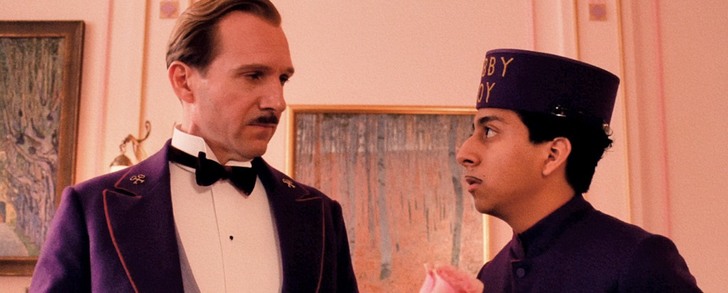
In a career that's already ornamented with extraordinary creative triumphs, Wes Anderson reached another level of crafty filmmaking achievement with "The Grand Budapest Hotel." Filled with color, comedy (light and dark), and a playful extension of the helmer's graphic and dramatic Andersonisms, the feature sustained an enchanting sense of mischief, delighting in the weird and the bittersweet. An all-star cast certainly amplified the picture, with lead Ralph Fiennes delivering the most crisply unhinged performance of his already bejeweled career. It's enough to watch Anderson continue to build his idiosyncratic empire of fonts and art direction, but to continually deliver top-tier work without a hint of fatigue is extraordinary. "The Grand Budapest Hotel" is one of his finest films.
Snowpiercer
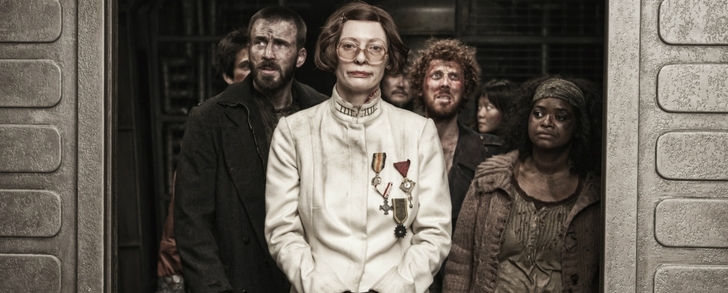
While it presented a troubling vision of futureworld claustrophobia, "Snowpiercer" captured the chaos of a class-fueled uprising with an exceptional visual design and fully engorged sense of the macabre. Horrific, darkly comic, and understandably violent, this valentine to the future of humanity provided all the jolts and surprises necessary to power an action-minded effort, flavored with enough social commentary and dramatic depth to preserve significance. "Snowpiercer" was certainly a strange picture, but also quite stunning thanks to director Bong Joon-ho's exquisite ways with performance and dread.
Locke
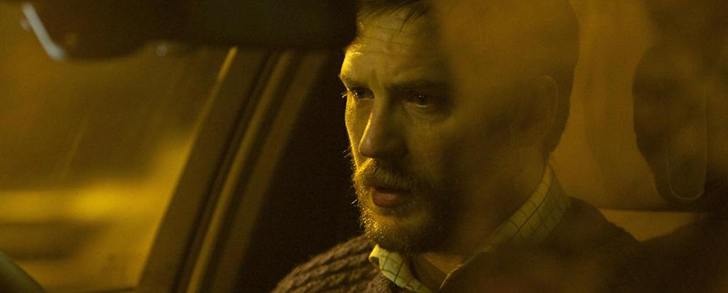
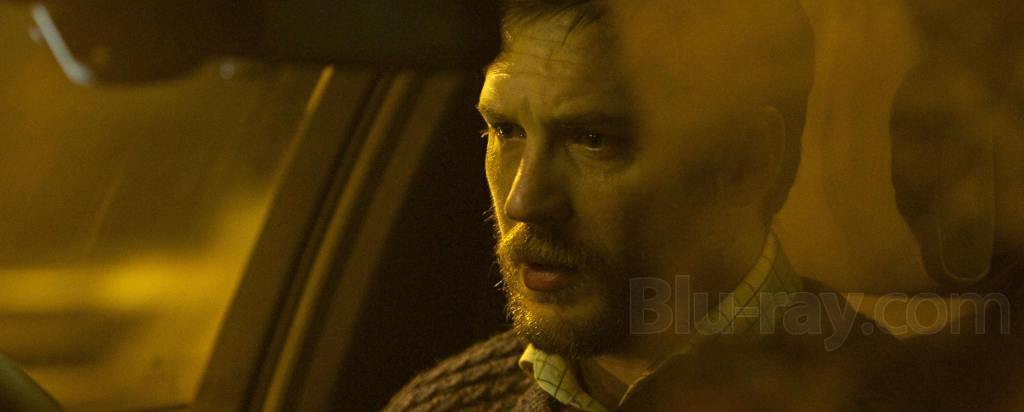
"Locke" had the courage to provide the audience with nothing but star Tom Hardy's emotive face for 85 minutes, watching the actor wind through a series of complex emotions as writer/director Steven Knight dreamed up catastrophes for the main character to manage in his uniquely collected manner. Instead of triggering boredom with its limited scope, "Locke" was riveting from start to finish, guided by Hardy's outstanding work as the tired, stressed, and searching title character, navigating a churning sea of reactions with subtle body language. Knight pulled off the impossible here, creating the most suspenseful effort of the year with the simplest cinematic design.
How to Train Your Dragon 2
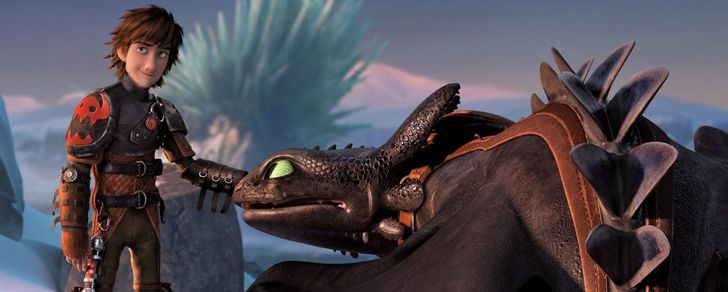
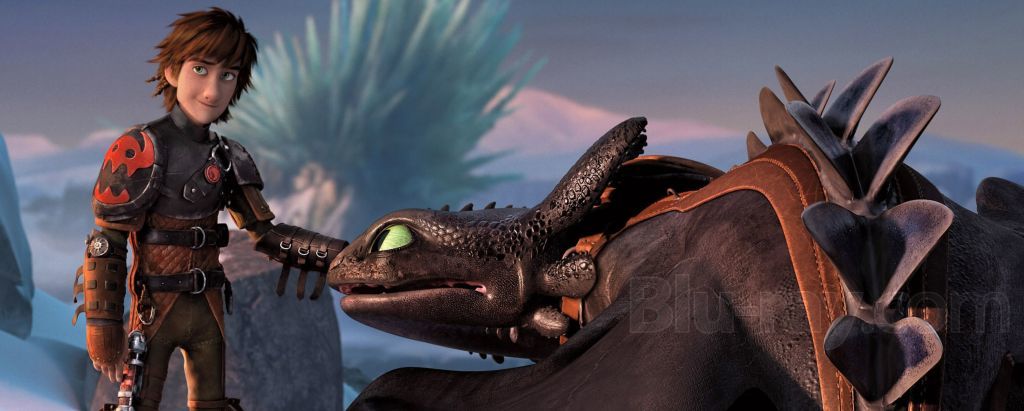
While most sequels suffer from fatigue and a refusal of invention, "How to Train Your Dragon 2" surpassed expectations by investing heavily in tone and personality, working up required spirit through a glorious sense of emotional connection with well-rounded, and beautifully animated, characters. While darker than its predecessor, the follow-up managed to continue the endearing antics of Hiccup and Toothless while aging them appropriately, allowing the series to mature and tighten the urgency of the adventure. Richly imagined and emotionally fluid, "How to Train Your Dragon 2" was an authentic achievement in animation, combining an epic scale with wounded hearts to give family audiences something to chew on for a change.
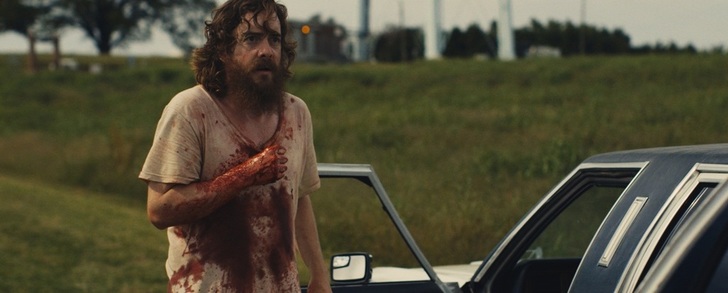
Blue Ruin
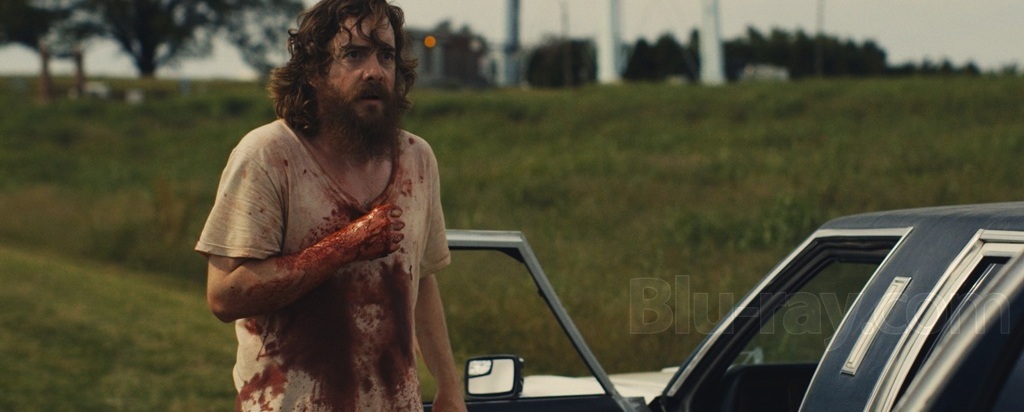
Jeremy Saulnier's "Blue Ruin" depicted revenge not as a slick, blunt event of aggression, but as a long, torturous journey with death its only true resolution. And even that level of finality doesn't stop a few of these characters. Mood was key here, with Saulnier creating a contaminated environment of futility, displayed effortlessly through the lead performance by Macon Blair, whose ragged physical transformation was exactly what the pictured needed to communicate the ravages of vengeance. With bursts of violence and an extended, haunting depiction of anxiety, "Blue Ruin" captured a specific headspace flawlessly, managing mounting tension with startling consistency.
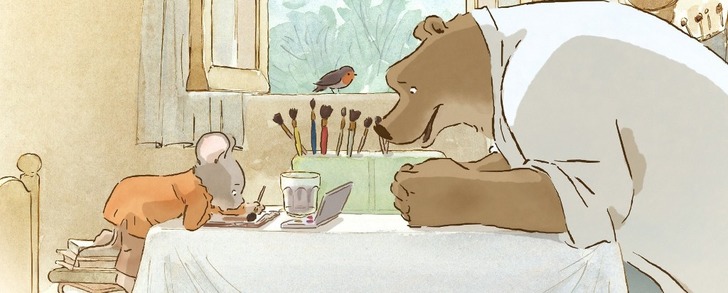
Ernest & Celestine
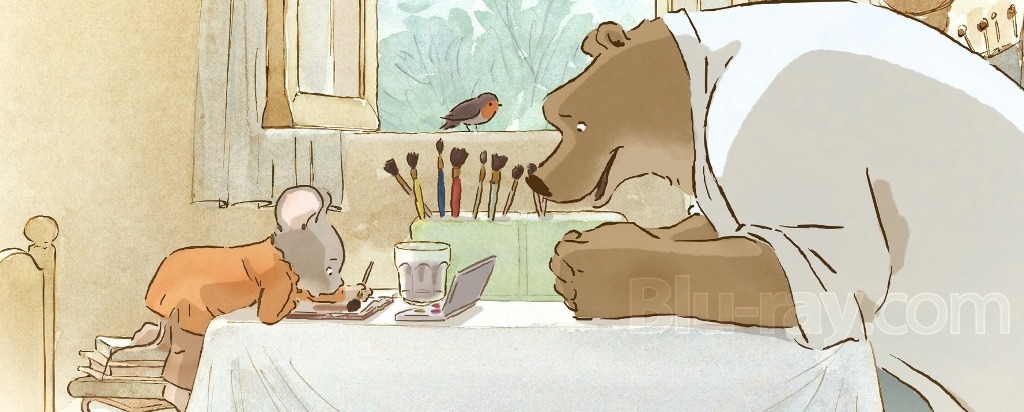
"How to Train Your Dragon 2" was the blockbuster animation event of the year, "Ernest & Celestine" was the mild French import that trusted in simple, sublime artistry and the developing oddity of a most unusual friendship. The feature was strange, presenting a subplot involving rodent dentistry, but at the core of "Ernest & Celestine" were tiny moments of behavioral bliss and tart French humor, giving some edge to a production that had every opportunity to Disney itself up. Frequently hilarious, highlighting heavenly watercolor-inspired animation, and voiced with full personality by the cast, the movie proved there was still plenty of life in independent animation.
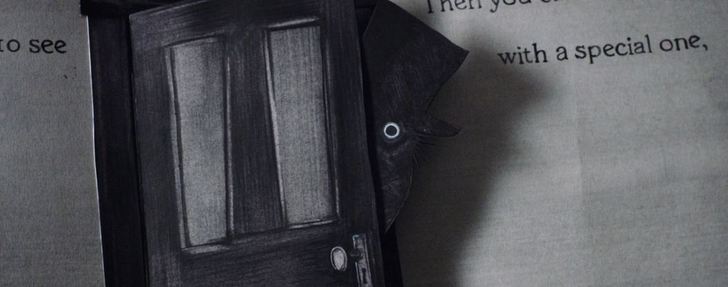
The Babadook
The horror genre is littered with cheap, lame rejects that barely take the time to craft a single successful scare. The Australian production, "The Babadook," actually achieved a steady stream of fright, working a boogeyman storyline deeply rooted in real-world depression and parental resentment. Director Jennifer Kent tended to dark spaces, creeping terror, and eerie events, but she also massaged an exceptional sense of hopelessness, adding to the vice-like grip of the picture. "The Babadook" was genuinely scary and periodically profound, generating a genre experience with real bite.
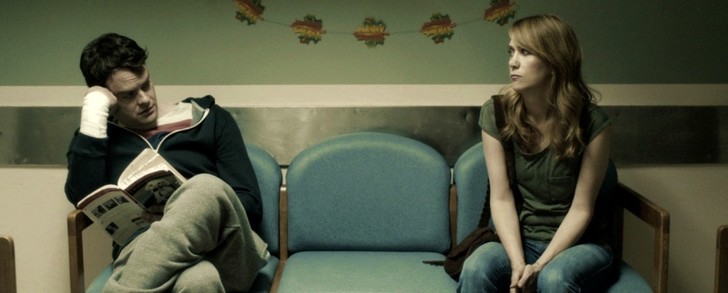
The Skeleton Twins
A drama about estranged siblings, "The Skeleton Twins" permitted stars Kristen Wiig and Bill Hader a chance to mute their comedic instincts for a change, allowed to play real people with weighty concerns. Of course, the actors couldn't be pinned down for long, with warm laughs adding to the overall mood of the film, giving it some life before depressive events sober up the story. Writer/director Craig Johnson juggled tone with ease, overseeing two strong performances from the stars, with Hader a standout in a rare dramatic turn. Avoiding outright feel-good extremes, "The Skeleton Twins" treated its story with honesty and emotional complexity.
Nightcrawler
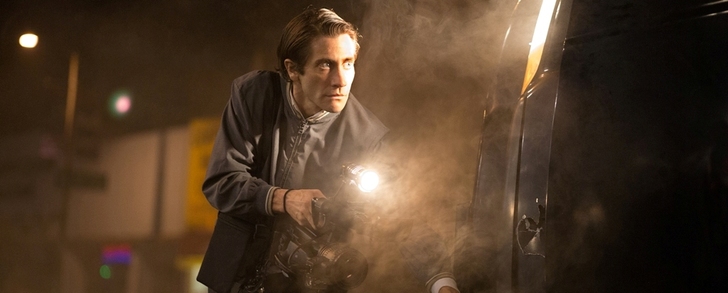
Dan Gilroy's "Nightcrawler" asked the audience to believe in the professional dedication of a sociopath, embarking on a grim tour of nighttime Los Angeles accident scenes. This was not a movie asking to be loved, developing a sensational character study skillfully embodied by star Jake Gyllenhaal, who offered precise physical and dramatic dedication to give the feature the boost in sinister business it required. While not easily digestible, "Nightcrawler" made human ugliness hypnotic, unafraid to follow psychological disease to its natural conclusion. Flecks of comedy were present, yet Gilroy showed more comfort with decay, penetrating with a harpoon shot of hostility.
John Wick
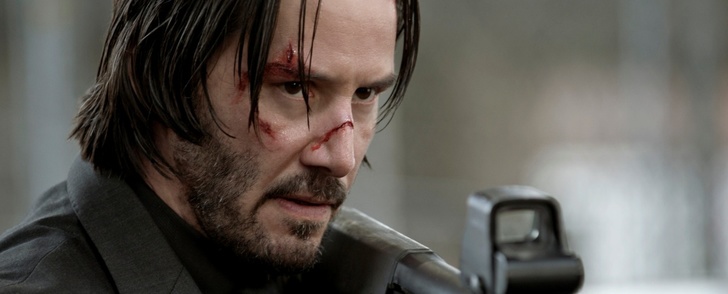
While "Blue Ruin" was the introspective, pained entry in the revenge genre, "John Wick" was a fireworks display that's always welcome. Masterfully edited, shot, and choreographed, the picture was a valentine to stunt work, tossing bodies and bullets around in glorious fashion. "John Wick" was simple, but when simple is this energetically and bravely executed, the results are as thrilling as any offering of dramatic sophistication. Blessedly severe and unusually confident, the feature returned star Keanu Reeves to a rightful position of bruised heroism and plunged a spike of pure adrenaline into a film year lacking in knuckle-cracking, stand-up-and-shout offerings of brutality.
Also of Note: Whiplash, Dawn of the Planet of the Apes, Only Lovers Left Alive, Boyhood, We Are the Best!, Big Bad Wolves, Cold in July, Guardians of the Galaxy, Jodorowsky's Dune, Muppets Most Wanted, Obvious Child, The Lego Movie, Edge of Tomorrow, Captain America: The Winter Soldier, and The Homesman.
Please check out the Blu-ray.com community picks here.
The Grand Budapest Hotel
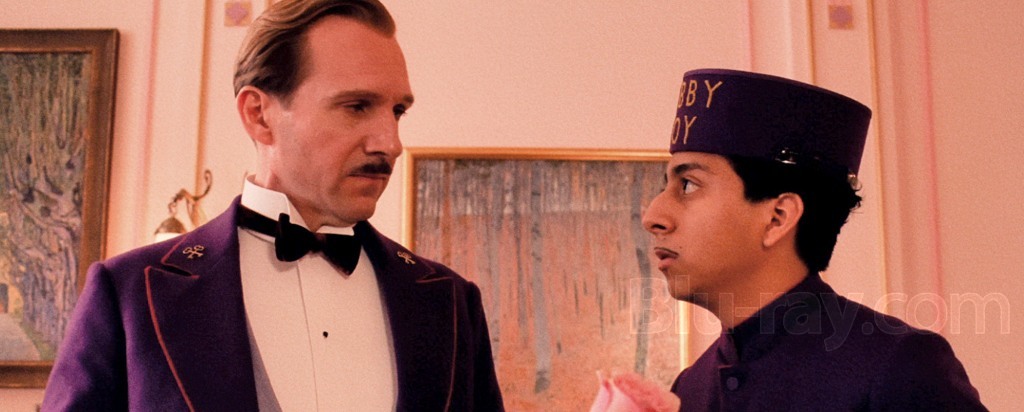
In a career that's already ornamented with extraordinary creative triumphs, Wes Anderson reached another level of crafty filmmaking achievement with "The Grand Budapest Hotel." Filled with color, comedy (light and dark), and a playful extension of the helmer's graphic and dramatic Andersonisms, the feature sustained an enchanting sense of mischief, delighting in the weird and the bittersweet. An all-star cast certainly amplified the picture, with lead Ralph Fiennes delivering the most crisply unhinged performance of his already bejeweled career. It's enough to watch Anderson continue to build his idiosyncratic empire of fonts and art direction, but to continually deliver top-tier work without a hint of fatigue is extraordinary. "The Grand Budapest Hotel" is one of his finest films.
Snowpiercer
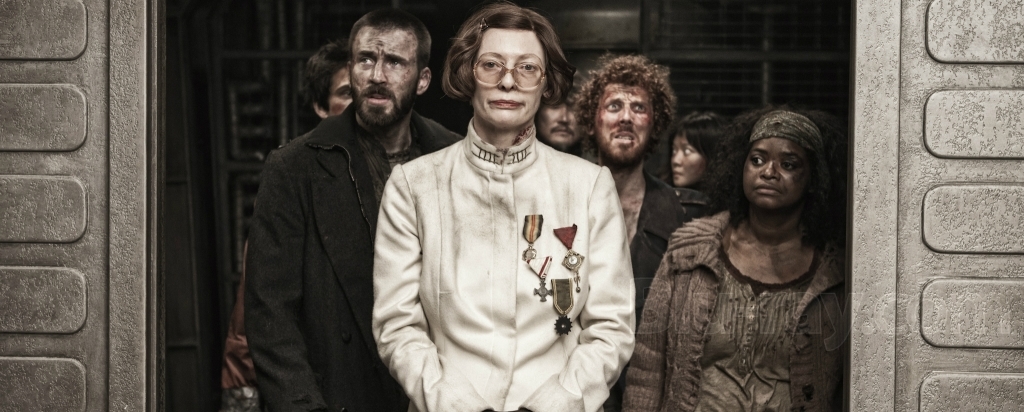
While it presented a troubling vision of futureworld claustrophobia, "Snowpiercer" captured the chaos of a class-fueled uprising with an exceptional visual design and fully engorged sense of the macabre. Horrific, darkly comic, and understandably violent, this valentine to the future of humanity provided all the jolts and surprises necessary to power an action-minded effort, flavored with enough social commentary and dramatic depth to preserve significance. "Snowpiercer" was certainly a strange picture, but also quite stunning thanks to director Bong Joon-ho's exquisite ways with performance and dread.
Locke
"Locke" had the courage to provide the audience with nothing but star Tom Hardy's emotive face for 85 minutes, watching the actor wind through a series of complex emotions as writer/director Steven Knight dreamed up catastrophes for the main character to manage in his uniquely collected manner. Instead of triggering boredom with its limited scope, "Locke" was riveting from start to finish, guided by Hardy's outstanding work as the tired, stressed, and searching title character, navigating a churning sea of reactions with subtle body language. Knight pulled off the impossible here, creating the most suspenseful effort of the year with the simplest cinematic design.
How to Train Your Dragon 2
While most sequels suffer from fatigue and a refusal of invention, "How to Train Your Dragon 2" surpassed expectations by investing heavily in tone and personality, working up required spirit through a glorious sense of emotional connection with well-rounded, and beautifully animated, characters. While darker than its predecessor, the follow-up managed to continue the endearing antics of Hiccup and Toothless while aging them appropriately, allowing the series to mature and tighten the urgency of the adventure. Richly imagined and emotionally fluid, "How to Train Your Dragon 2" was an authentic achievement in animation, combining an epic scale with wounded hearts to give family audiences something to chew on for a change.
Blue Ruin
Jeremy Saulnier's "Blue Ruin" depicted revenge not as a slick, blunt event of aggression, but as a long, torturous journey with death its only true resolution. And even that level of finality doesn't stop a few of these characters. Mood was key here, with Saulnier creating a contaminated environment of futility, displayed effortlessly through the lead performance by Macon Blair, whose ragged physical transformation was exactly what the pictured needed to communicate the ravages of vengeance. With bursts of violence and an extended, haunting depiction of anxiety, "Blue Ruin" captured a specific headspace flawlessly, managing mounting tension with startling consistency.
Ernest & Celestine
"How to Train Your Dragon 2" was the blockbuster animation event of the year, "Ernest & Celestine" was the mild French import that trusted in simple, sublime artistry and the developing oddity of a most unusual friendship. The feature was strange, presenting a subplot involving rodent dentistry, but at the core of "Ernest & Celestine" were tiny moments of behavioral bliss and tart French humor, giving some edge to a production that had every opportunity to Disney itself up. Frequently hilarious, highlighting heavenly watercolor-inspired animation, and voiced with full personality by the cast, the movie proved there was still plenty of life in independent animation.
The Babadook
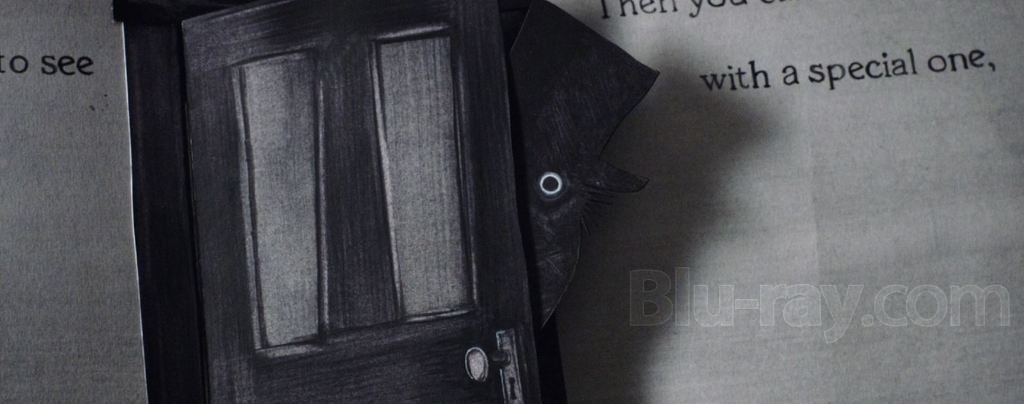
The horror genre is littered with cheap, lame rejects that barely take the time to craft a single successful scare. The Australian production, "The Babadook," actually achieved a steady stream of fright, working a boogeyman storyline deeply rooted in real-world depression and parental resentment. Director Jennifer Kent tended to dark spaces, creeping terror, and eerie events, but she also massaged an exceptional sense of hopelessness, adding to the vice-like grip of the picture. "The Babadook" was genuinely scary and periodically profound, generating a genre experience with real bite.
The Skeleton Twins
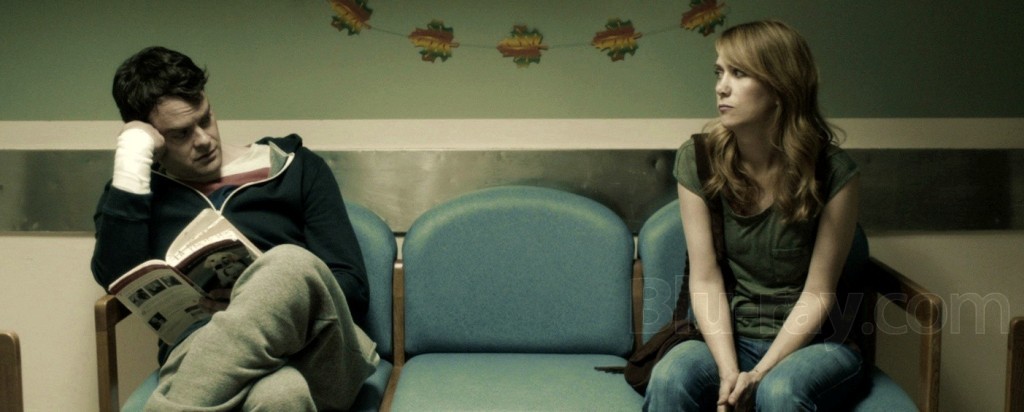
A drama about estranged siblings, "The Skeleton Twins" permitted stars Kristen Wiig and Bill Hader a chance to mute their comedic instincts for a change, allowed to play real people with weighty concerns. Of course, the actors couldn't be pinned down for long, with warm laughs adding to the overall mood of the film, giving it some life before depressive events sober up the story. Writer/director Craig Johnson juggled tone with ease, overseeing two strong performances from the stars, with Hader a standout in a rare dramatic turn. Avoiding outright feel-good extremes, "The Skeleton Twins" treated its story with honesty and emotional complexity.
Nightcrawler
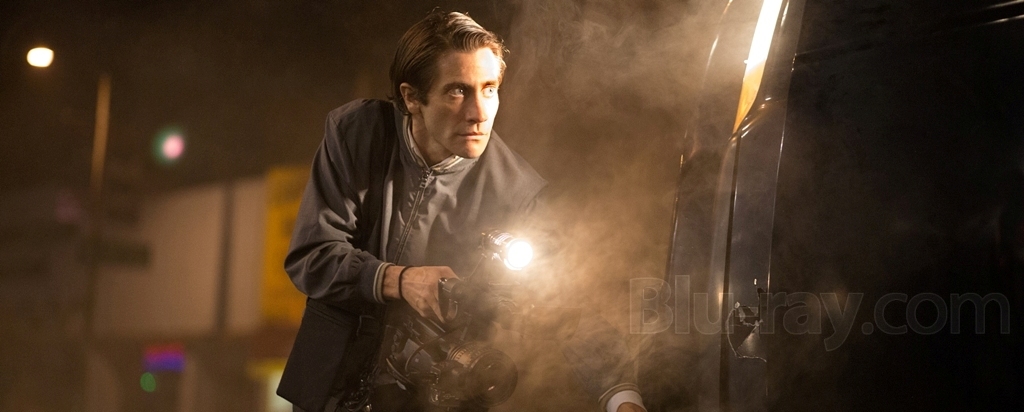
Dan Gilroy's "Nightcrawler" asked the audience to believe in the professional dedication of a sociopath, embarking on a grim tour of nighttime Los Angeles accident scenes. This was not a movie asking to be loved, developing a sensational character study skillfully embodied by star Jake Gyllenhaal, who offered precise physical and dramatic dedication to give the feature the boost in sinister business it required. While not easily digestible, "Nightcrawler" made human ugliness hypnotic, unafraid to follow psychological disease to its natural conclusion. Flecks of comedy were present, yet Gilroy showed more comfort with decay, penetrating with a harpoon shot of hostility.
John Wick
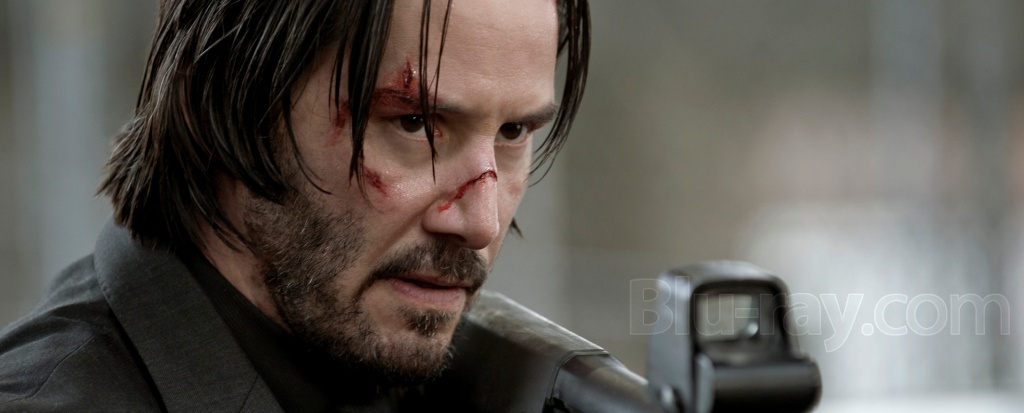
While "Blue Ruin" was the introspective, pained entry in the revenge genre, "John Wick" was a fireworks display that's always welcome. Masterfully edited, shot, and choreographed, the picture was a valentine to stunt work, tossing bodies and bullets around in glorious fashion. "John Wick" was simple, but when simple is this energetically and bravely executed, the results are as thrilling as any offering of dramatic sophistication. Blessedly severe and unusually confident, the feature returned star Keanu Reeves to a rightful position of bruised heroism and plunged a spike of pure adrenaline into a film year lacking in knuckle-cracking, stand-up-and-shout offerings of brutality.
Also of Note: Whiplash, Dawn of the Planet of the Apes, Only Lovers Left Alive, Boyhood, We Are the Best!, Big Bad Wolves, Cold in July, Guardians of the Galaxy, Jodorowsky's Dune, Muppets Most Wanted, Obvious Child, The Lego Movie, Edge of Tomorrow, Captain America: The Winter Soldier, and The Homesman.