The Best Theatrical Releases of 2013
HomeThe Best Theatrical Releases of 2013
Posted December 29, 2013 04:50 PM by Brian Orndorf
Survival in space, the trouble with teens, a disastrous family gathering, Somali pirates, Robert Redford vs. the World, Midwestern sweepstakes blues, Sarah Polley's family album, horrific Danish accusations, Woody Allen rides a streetcar, and the pit wants what it wants. Brian Orndorf takes a look at the Best Films of 2013.
Please check out the Blu-ray.com community picks here.
Short Term 12
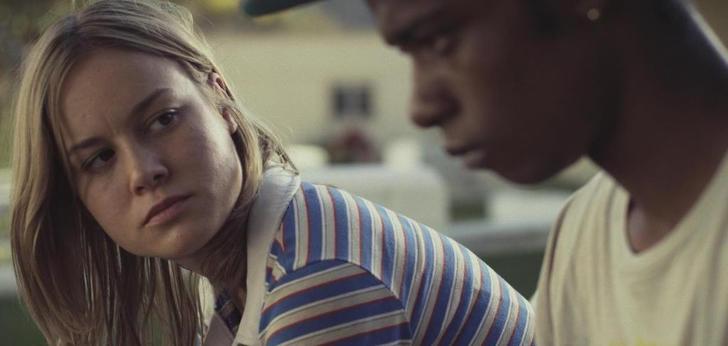
A story of life inside a tumultuous foster care facility for troubled youth, "Short Term 12" elected to lead with the strength of its characters, each one of them precisely detailed by writer/director Destin Cretton, who found such aching humanity in the midst of behavioral anarchy. It was a beautiful film, rich with feeling and sharply observed, isolating a profoundly knotted environment as one of compassionate care and aching routine, while exposing the reservoir of pain motivating its besieged main character in engrossing increments, reaching a powerful finale. Star Brie Larson showed her stuff in major way here, providing the feature with an abyssal soul and a clenched fist, articulating the picture's strength and refreshing tenderness. There was immense heart to "Short Term 12," but also a sense of immersion and feeling that was brilliantly realized.
A Hijacking
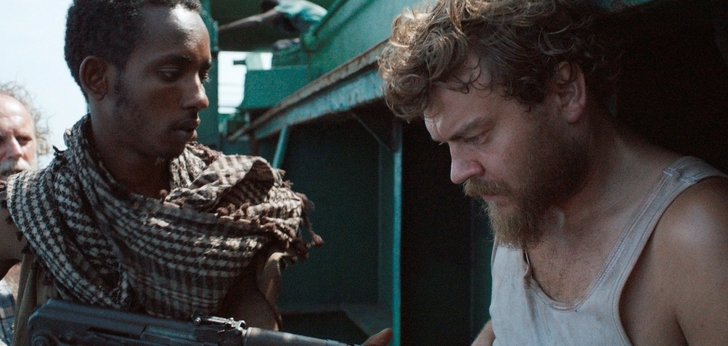
"Captain Phillips" collected all the box office returns and headlines, yet the Danish production, "A Hijacking," was by far the better film. Eschewing a tone of heroism to portray a Somali takeover as a harrowing ordeal of controlled chaos, the feature elected a procedural approach that highlighted the daily business of communication and negotiation, with a basic act of piracy taking months to resolve, leaving both sides of the situation frayed and desperate. Tobias Lindholm's film was an absolutely gut-wrenching, highly emotional viewing experience, yet the coldly clinical steps of conflict resolution, and their inevitable explosions of frustration, were gripping, finding an exceptional balance between basic instinct and corporate rehearsal. "Captain Phillips" was fine, but "A Hijacking" was outstanding in its realism and wrenching with its dire resolution.
Nebraska
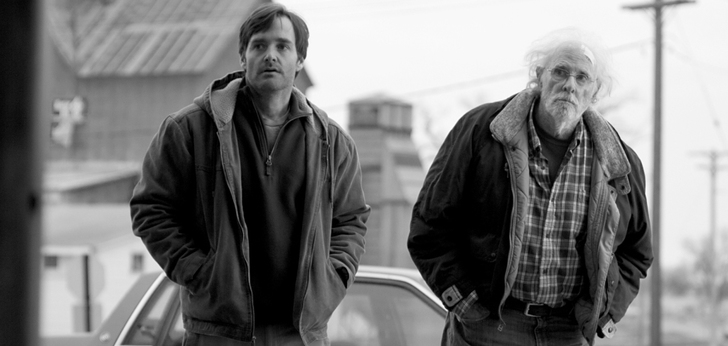
Alexander Payne has spent most of his career telling stories about the Midwest. With "Nebraska," he quested to impart pieces of its soul. Shot in black and white and paced leisurely, the feature dripped with character and understanding, appreciating the beguiling eccentricity and weathered routine of the region while telling an acidic story of a snowballing misunderstanding. Leads Bruce Dern and Will Forte managed to articulate frustration with minimal flail, but the supporting cast truly stole the movie, watching June Squibb bring exceptional life to the effort, elevating Payne's work with her awesomely wily ways. Layered with atmosphere, bitingly funny, and extraordinarily lived-in, "Nebraska" continued Payne's path as one of the most consistent, perceptive filmmakers around.
The Hunt
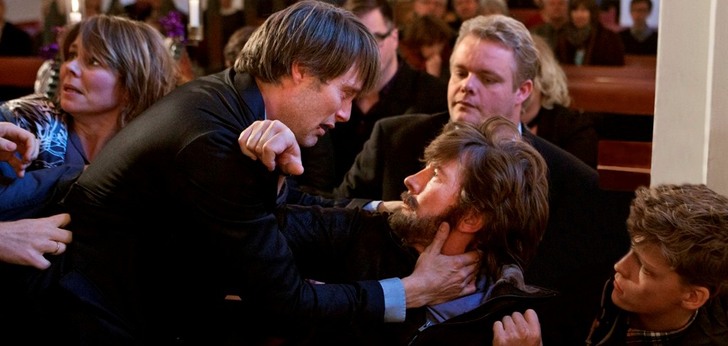
The set-up is simple: A kindergarten employee (played by Mads Mikkelsen) is accused of inappropriate behavior with friend's daughter, with the ensuing investigation tearing his life apart. It's a distressing starting point for a devastating drama that explored the dismantling of a vacillating life, with Mikkelsen's articulation of paranoia and frustration miraculous in its sensitivity and internalized dissolve. The tension summoned here by director Thomas Vinterberg carried through absorbing depictions of mob mentality and the ease of condemnation. Even more impressive, "The Hunt" avoided the obvious ending, electing to satisfy with an appropriate resolution yet remain in the shadows, making the threatening ambiance of the feature difficult to shake after viewing.
Stories We Tell
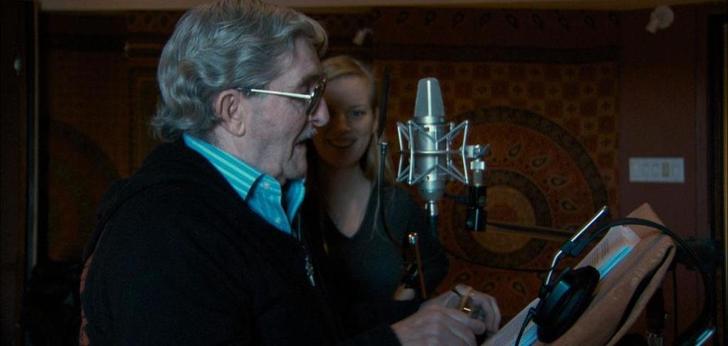
Actress Sarah Polley decided to make a documentary about herself, or more accurately, about her relationship with her parents. Dissecting their time together, Polley discovered a wealth of secrets that amazed her, turning her film into an investigative piece that revealed more about her guardians and their unusual history and interplay than she was prepared to learn. Although it appeared too personal, too inside to connect with, "Stories We Tell" seized a mood of discovery and memory that was riveting to watch develop, creating the finest mystery of the year, sold with a blend of endearing photographic evidence and creatively designed dramatic recreation.
Gravity
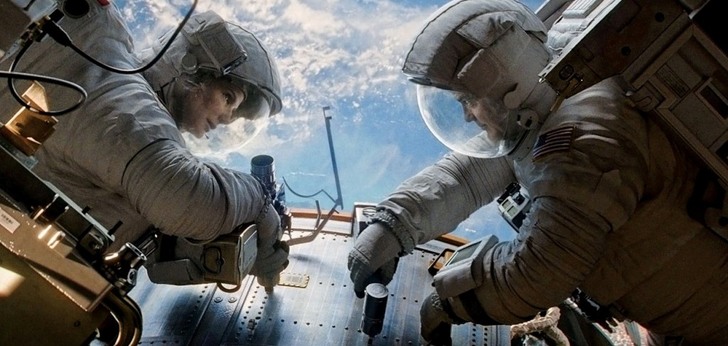
Much was written about "Gravity" this year, and the hype was entirely deserved. A sensational achievement in visual effects and screen suspense, director Alfonso Cuaron took audiences high above Earth to explore desperate minutes of survival in a most inhospitable environment. The illusion of space was utterly convincing, with fluid movement and a spare score by Steven Price contributing to feelings of awe, panic, and suffocation as Cuaron weaved around stars George Clooney and Sandra Bullock, the latter contributing the most impressive performance of her career. "Gravity" wowed. It was cinematic electricity that stunned for a tightly cut 90 minutes, displaying unreal invention and total screen immersion, goosed greatly by a genuinely thrilling IMAX 3D presentation.
Blue Jasmine
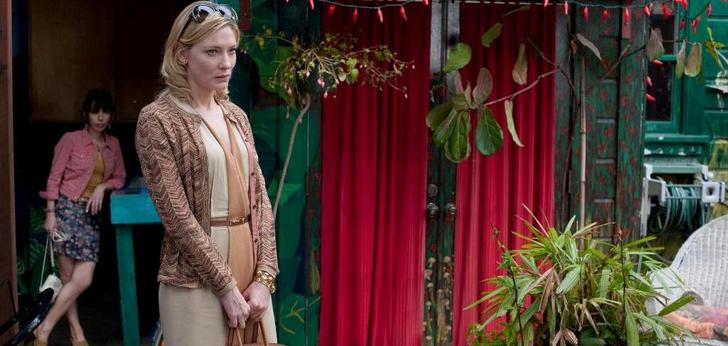
After taking a creative dip last year with "To Rome with Love," Woody Allen returned with this "A Streetcar Named Desire" riff, directing star Cate Blanchett to one of the finest performances of her already bejeweled filmography. A traditional blend of neurotic comedy and relatable heartache, "Blue Jasmine" was at its best observing persistently itchy behavior and crushed ambition, developing a troubling story concerning the gradual unraveling of a woman facing the destruction of a perfect life she's preserved in her rattled, booze-soaked mind. With pinpoint psychological accuracy, textured San Francisco locations, and a wonderful supporting cast (including, pause for effect, Andrew Dice Clay -- all that "Ford Fairlane" fandom has finally paid off), the picture reinforced Allen's distinctive cinematic spin and impressive creative longevity.
All is Lost
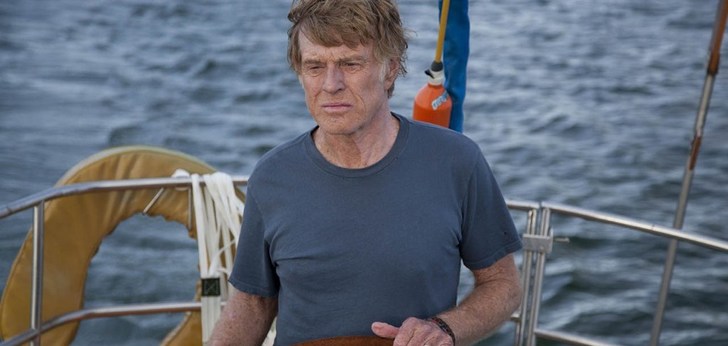
Robert Redford on a sinking boat for two hours, with no dialogue and mere hints of backstory to work with. Who knew this would be a riveting motion picture? Guided by impressively physical, meditative work from the acting legend (his finest performance in ages), "All is Lost" turned a disastrous scenario into a sensational study of survival and mortality, pushing through a gamut of emotions as an average man battled misfortune, the elements, and his swarming doubts during a week-long stint floating helplessly in the middle of the Indian Ocean. Masterfully constructed by writer/director J.C. Chandor, "All is Lost" embroidered storytelling simplicity with gut-wrenching internalization (and one exquisitely positioned F-word), making the audience feel the escalating dangers facing the character and his gradually weakening resolve to combat the inevitable.
August: Osage County
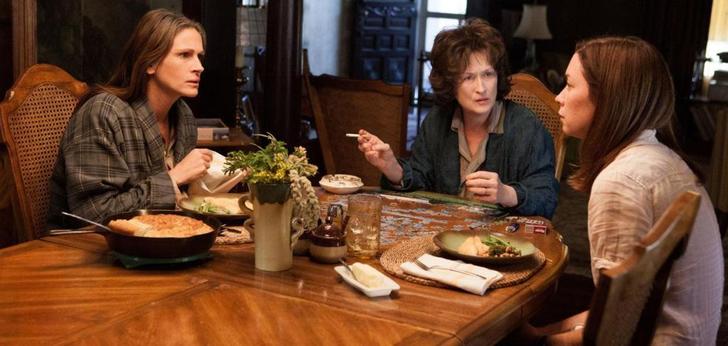
"August: Osage County" wasn't an easy film to watch, with bitterness oozing out of every pore. However, the rage contained within developed a hypnotic quality, especially in the care of writer Tracy Letts, who adapted his own Pulitzer Prize-winning play for the screen. The movie was a hurricane of dysfunction, studying a family's breakdown during a post-funeral gathering, with characters openly loathing one another, wielding secrets as weapons as they attempt to maintain a shred of civility, failing every step of the way. Meryl Streep steamrolled through the picture in the best possible way, snarling and physically deteriorating in a deliciously broad performance. Julia Roberts has never shown this type of confident before, leaning into her role with unseen ferocity. The rest of the considerable ensemble was equally invested in the fascinating idiosyncrasies and numerous meltdowns of the script, creating a suffocating, toxic environment that generated nuclear warfare for drama. It's only a shame there isn't a 4D version of the feature, where seats swivel to avoid screen punches, cigarette smoke is piped into the theater, and the audience is occasionally spritzed with cheap liquor.
Jug Face
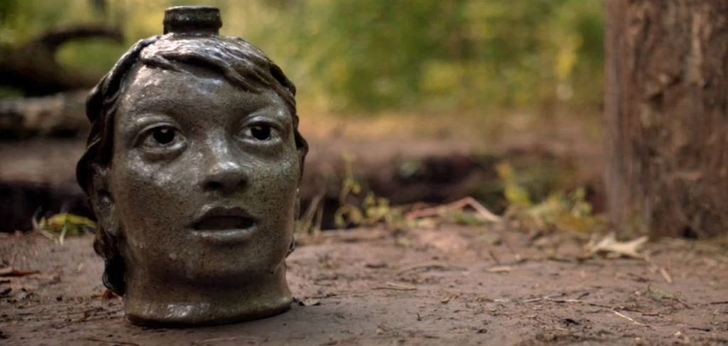
"Jug Face" was a modest effort, yet its unnerving vibe of dread was a most impressive achievement in a genre that's content to beat tired trends into the ground. A slice of backwoods ghoulishness featuring a cult, a clairvoyant potter, and the macabre interests of a pit, "Jug Face" found its footing through simplicity, leading with desperate characters and a menacing tone of fate. Writer/director Chad Crawford Kinkle managed a sense of originality to the tale while preserving a disturbing atmosphere of merciless rituals and thwarted escape attempts. It was a small production, absent overt jolts and glossy visual effects, but it was scary and credibly grim -- a rare accomplishment in horror these days.
Also of Note: The Broken Circle Breakdown, From Up on Poppy Hill, The Invisible Woman, Lore, The Croods, Sound City, Would You Rather, 20 Feet from Stardom, About Time, A Band Called Death, Let the Fire Burn, Sightseers, You're Next, American Hustle, Mud, Enough Said, Philomena, The Hunger Games: Catching Fire, The Great Beauty, and The Lords of Salem.
Please check out the Blu-ray.com community picks here.
Short Term 12
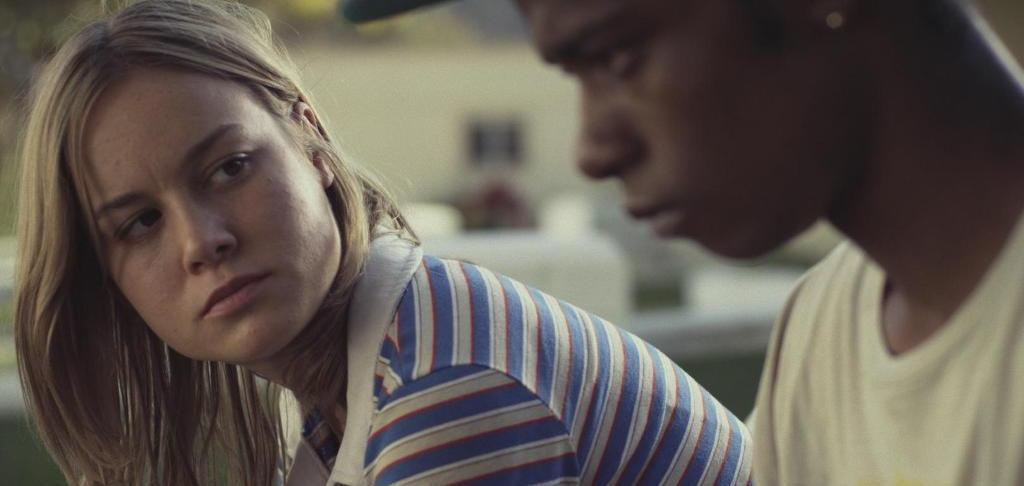
A story of life inside a tumultuous foster care facility for troubled youth, "Short Term 12" elected to lead with the strength of its characters, each one of them precisely detailed by writer/director Destin Cretton, who found such aching humanity in the midst of behavioral anarchy. It was a beautiful film, rich with feeling and sharply observed, isolating a profoundly knotted environment as one of compassionate care and aching routine, while exposing the reservoir of pain motivating its besieged main character in engrossing increments, reaching a powerful finale. Star Brie Larson showed her stuff in major way here, providing the feature with an abyssal soul and a clenched fist, articulating the picture's strength and refreshing tenderness. There was immense heart to "Short Term 12," but also a sense of immersion and feeling that was brilliantly realized.

A Hijacking
"Captain Phillips" collected all the box office returns and headlines, yet the Danish production, "A Hijacking," was by far the better film. Eschewing a tone of heroism to portray a Somali takeover as a harrowing ordeal of controlled chaos, the feature elected a procedural approach that highlighted the daily business of communication and negotiation, with a basic act of piracy taking months to resolve, leaving both sides of the situation frayed and desperate. Tobias Lindholm's film was an absolutely gut-wrenching, highly emotional viewing experience, yet the coldly clinical steps of conflict resolution, and their inevitable explosions of frustration, were gripping, finding an exceptional balance between basic instinct and corporate rehearsal. "Captain Phillips" was fine, but "A Hijacking" was outstanding in its realism and wrenching with its dire resolution.

Nebraska
Alexander Payne has spent most of his career telling stories about the Midwest. With "Nebraska," he quested to impart pieces of its soul. Shot in black and white and paced leisurely, the feature dripped with character and understanding, appreciating the beguiling eccentricity and weathered routine of the region while telling an acidic story of a snowballing misunderstanding. Leads Bruce Dern and Will Forte managed to articulate frustration with minimal flail, but the supporting cast truly stole the movie, watching June Squibb bring exceptional life to the effort, elevating Payne's work with her awesomely wily ways. Layered with atmosphere, bitingly funny, and extraordinarily lived-in, "Nebraska" continued Payne's path as one of the most consistent, perceptive filmmakers around.

The Hunt
The set-up is simple: A kindergarten employee (played by Mads Mikkelsen) is accused of inappropriate behavior with friend's daughter, with the ensuing investigation tearing his life apart. It's a distressing starting point for a devastating drama that explored the dismantling of a vacillating life, with Mikkelsen's articulation of paranoia and frustration miraculous in its sensitivity and internalized dissolve. The tension summoned here by director Thomas Vinterberg carried through absorbing depictions of mob mentality and the ease of condemnation. Even more impressive, "The Hunt" avoided the obvious ending, electing to satisfy with an appropriate resolution yet remain in the shadows, making the threatening ambiance of the feature difficult to shake after viewing.

Stories We Tell
Actress Sarah Polley decided to make a documentary about herself, or more accurately, about her relationship with her parents. Dissecting their time together, Polley discovered a wealth of secrets that amazed her, turning her film into an investigative piece that revealed more about her guardians and their unusual history and interplay than she was prepared to learn. Although it appeared too personal, too inside to connect with, "Stories We Tell" seized a mood of discovery and memory that was riveting to watch develop, creating the finest mystery of the year, sold with a blend of endearing photographic evidence and creatively designed dramatic recreation.

Gravity
Much was written about "Gravity" this year, and the hype was entirely deserved. A sensational achievement in visual effects and screen suspense, director Alfonso Cuaron took audiences high above Earth to explore desperate minutes of survival in a most inhospitable environment. The illusion of space was utterly convincing, with fluid movement and a spare score by Steven Price contributing to feelings of awe, panic, and suffocation as Cuaron weaved around stars George Clooney and Sandra Bullock, the latter contributing the most impressive performance of her career. "Gravity" wowed. It was cinematic electricity that stunned for a tightly cut 90 minutes, displaying unreal invention and total screen immersion, goosed greatly by a genuinely thrilling IMAX 3D presentation.

Blue Jasmine
After taking a creative dip last year with "To Rome with Love," Woody Allen returned with this "A Streetcar Named Desire" riff, directing star Cate Blanchett to one of the finest performances of her already bejeweled filmography. A traditional blend of neurotic comedy and relatable heartache, "Blue Jasmine" was at its best observing persistently itchy behavior and crushed ambition, developing a troubling story concerning the gradual unraveling of a woman facing the destruction of a perfect life she's preserved in her rattled, booze-soaked mind. With pinpoint psychological accuracy, textured San Francisco locations, and a wonderful supporting cast (including, pause for effect, Andrew Dice Clay -- all that "Ford Fairlane" fandom has finally paid off), the picture reinforced Allen's distinctive cinematic spin and impressive creative longevity.

All is Lost
Robert Redford on a sinking boat for two hours, with no dialogue and mere hints of backstory to work with. Who knew this would be a riveting motion picture? Guided by impressively physical, meditative work from the acting legend (his finest performance in ages), "All is Lost" turned a disastrous scenario into a sensational study of survival and mortality, pushing through a gamut of emotions as an average man battled misfortune, the elements, and his swarming doubts during a week-long stint floating helplessly in the middle of the Indian Ocean. Masterfully constructed by writer/director J.C. Chandor, "All is Lost" embroidered storytelling simplicity with gut-wrenching internalization (and one exquisitely positioned F-word), making the audience feel the escalating dangers facing the character and his gradually weakening resolve to combat the inevitable.

August: Osage County
"August: Osage County" wasn't an easy film to watch, with bitterness oozing out of every pore. However, the rage contained within developed a hypnotic quality, especially in the care of writer Tracy Letts, who adapted his own Pulitzer Prize-winning play for the screen. The movie was a hurricane of dysfunction, studying a family's breakdown during a post-funeral gathering, with characters openly loathing one another, wielding secrets as weapons as they attempt to maintain a shred of civility, failing every step of the way. Meryl Streep steamrolled through the picture in the best possible way, snarling and physically deteriorating in a deliciously broad performance. Julia Roberts has never shown this type of confident before, leaning into her role with unseen ferocity. The rest of the considerable ensemble was equally invested in the fascinating idiosyncrasies and numerous meltdowns of the script, creating a suffocating, toxic environment that generated nuclear warfare for drama. It's only a shame there isn't a 4D version of the feature, where seats swivel to avoid screen punches, cigarette smoke is piped into the theater, and the audience is occasionally spritzed with cheap liquor.

Jug Face
"Jug Face" was a modest effort, yet its unnerving vibe of dread was a most impressive achievement in a genre that's content to beat tired trends into the ground. A slice of backwoods ghoulishness featuring a cult, a clairvoyant potter, and the macabre interests of a pit, "Jug Face" found its footing through simplicity, leading with desperate characters and a menacing tone of fate. Writer/director Chad Crawford Kinkle managed a sense of originality to the tale while preserving a disturbing atmosphere of merciless rituals and thwarted escape attempts. It was a small production, absent overt jolts and glossy visual effects, but it was scary and credibly grim -- a rare accomplishment in horror these days.
Also of Note: The Broken Circle Breakdown, From Up on Poppy Hill, The Invisible Woman, Lore, The Croods, Sound City, Would You Rather, 20 Feet from Stardom, About Time, A Band Called Death, Let the Fire Burn, Sightseers, You're Next, American Hustle, Mud, Enough Said, Philomena, The Hunger Games: Catching Fire, The Great Beauty, and The Lords of Salem.