Interview with A Good Day to Die Hard Stunt Coordinator Steven M. Davison
HomeInterview with A Good Day to Die Hard Stunt Coordinator Steven M. Davison
Posted May 30, 2013 07:30 PM by Casey Broadwater
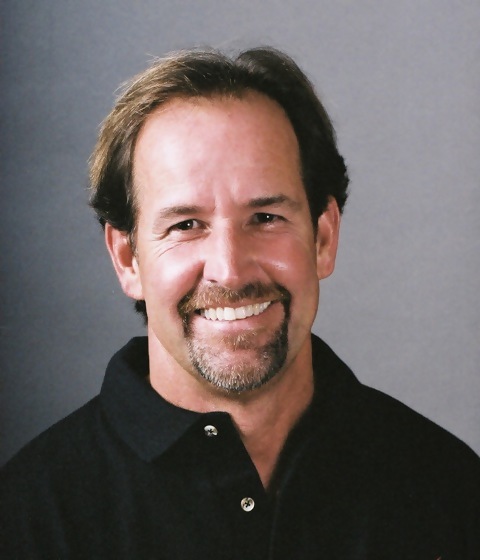
In the business since 1980, veteran stuntman and stunt coordinator Steven M. Davison has a
list of credits 166 titles long, from Smoky and the Bandit II and Scarface to
Predators and Sons of Anarchy. His latest project was as stunt coordinator for
A Good Day to Die Hard, overseeing the many action set-pieces of John McClane's
explosion-filled, bullet-riddled trip to Moscow. In advance of the film's Blu-ray release next week—and we'll have our review up soon—I got a
chance to talk with Steven about the insane logistics involved with his line of work:
Hello, Mr. Davison, how are you?
I'm great, and you?
Good. Before we talk about the movie, I wanted to ask about you and stunt work in general. I was looking over your page on IMDB.com and you've got a really long, really impressive—and really varied—list of credits.
Thank you.
What got you into stunt work to begin with?
Motorcycles. I was racing motocross, and my shifter's husband—then boyfriend—was a stuntman. I learned everything from those guys. Then, I got the opportunity to become a stuntman, at the age of 21, and it went up from there.
How has your profession changed since you first got involved 35 years ago?
That's a long story. In some ways, it's still the same. When the computer generated stuff started coming in in the '90s, it did change a lot of our approaches to things, but now I think it's swung back. It still can be a very dangerous occupation, but our goal as coordinators and stunt people is to make things as safe as possible. There are still big challenges and dangers, but we try to minimize and control them.
Do you do your job any differently or have any new tools at your disposal?
Oh yes. In stunt work—as with any occupation—the machines that we use, the cars that we use, everything has evolved and gotten better and easier. Although, some of the cars have actually gotten harder to work with since we can't use the brake systems the way they are now. They're so smart, and they don't want to lock up, so we have to bypass a lot of that. We have to put on our own brake systems to do some of the gags. And then the mechanics, the engineering, it's all improved greatly. A lot of the cable rigs we use to drag people and fly people and shoot people, they've gotten very computerized and safe, and you can go from one extreme to the other.
Speaking of cars, A Good Day to Die Hard really wastes no time getting right to the action. You have this intense, multi-car chase scene through the streets of Moscow just a few minutes into the film. What are the logistics like of planning some of these large-scale action sequences? Where do you, in your role, even begin?
I really work closely with the producer and director, and we scout and scout and scout locations. As we go through each sequence, we pick where we want each thing to happen. And we design some of the things that happen because of the location—so, the narrow street, or this turn, or this corner, this obstacle. Or we might create obstacles, or blow through some obstacles. Each gag through that whole chase—which you've seen, is six or seven minutes long—takes months and a lot of phone calls and a lot of scouting by many people to plan, not only the stunts, but special effects and locations and props and set dressing. It's a collaborative effort.
I read somewhere that overall, the film destroyed 132 vehicles and damaged 518 others—including a Lamborghini and several BMWs—totaling $11 million in damage. Do you get a sort of kid-playing-in-the-sandbox joy out of the mass destruction? What's it like working with that kind of budget at your disposal?
(Laughs) You're right, it is very much like being a kid in the sandbox. The hard part is being responsible for each gag and making sure it looks good on film. We had a lot of vehicles lined up, but we also had the expectation that when we do wreak these vehicles, we want it to be on film. That's the harder part for us—to make sure that when we do something, we plan it, we get it right, and we get it on film.
You filmed that sequence in Budapest, right?
Yes.
Was it easier working there than Moscow, and less expensive I'm guessing?
Well, I had scouted Moscow for about a week and, you know, it's like working in New York—there's so many people and so many cars. In Budapest it was a lot easier to close down a street here and there and get our work done. Although, when we had a really busy spot, we had to do it on the weekends.
Do you still do many stunts yourself, or are you mostly in an overseeing role now?
No, I still do stunts. That's what I'm doing now; I'm a stuntman on the next Captain America.
Oh, cool.
But I can't talk about that now. Can't divulge any details. (Laughs)
Sure. Understood. Back to Die Hard, I really liked the stunt where McClane and his son jump out of the hotel window with the helicopter coming towards them. How did you go about shooting that particular bit?
That was amazing. It was a lot of different sequences, a lot of different pieces. First, we had to jump out of the hotel window that we built on set, and that was a fifty foot fall that the two doubles did. Then, we had to do another sequence where we hung them in the air, and they came through the bedding and fell through a couple layers of break-away board and into a cart landing. Then, when they got out of that, we shot up all the wood as they're standing there, and they jump down the tube. So, we had the tube piece, and then we had to shoot them coming out of the tube, though a couple more layers—breaking through boards, hitting, bouncing off—then going into the trash bin. It was quite a bit of planning and quite a few sets we had to build. We did about everything on a six-story set where they put the background in with CG.
I also saw that the film has the largest green screen backdrop ever used.
Oh, yeah! (Laughs) If you get a snapshot of it, man, I don't know how long it was—I imagine it was a quarter mile long or so, and it had to be forty or fifty feet high. That was our highway where we did a lot of the gags when John McClane goes off the overpass and down onto the freeway traffic in the G-Wagen. We did the turnovers on that one, the MRAP and the G-Wagen turning over. We used it a lot.
And you actually built a stretch of highway to film a lot of that on, right?
Yeah, it's like having your own highway. It was great. (Laughs) You don't have to worry about people getting in the way.
Last question, since I know you have to get back to work. What can fans expect from the Blu-ray release, in terms of getting a behind-the-scenes look at what goes into your profession?
I think it'll really show how much time and planning, and how many people and departments are involved in how the film is made and how the action is approached. I saw a lot of the footage, and it really shows how complicated a lot of this stuff can be and how much time it takes to get ready for a ten-second piece.
Looking forward to watching it. Thanks for your time, and good luck on Captain America.
Thanks, Casey.
Hello, Mr. Davison, how are you?
I'm great, and you?
Good. Before we talk about the movie, I wanted to ask about you and stunt work in general. I was looking over your page on IMDB.com and you've got a really long, really impressive—and really varied—list of credits.
Thank you.
What got you into stunt work to begin with?
Motorcycles. I was racing motocross, and my shifter's husband—then boyfriend—was a stuntman. I learned everything from those guys. Then, I got the opportunity to become a stuntman, at the age of 21, and it went up from there.
How has your profession changed since you first got involved 35 years ago?
That's a long story. In some ways, it's still the same. When the computer generated stuff started coming in in the '90s, it did change a lot of our approaches to things, but now I think it's swung back. It still can be a very dangerous occupation, but our goal as coordinators and stunt people is to make things as safe as possible. There are still big challenges and dangers, but we try to minimize and control them.
Do you do your job any differently or have any new tools at your disposal?
Oh yes. In stunt work—as with any occupation—the machines that we use, the cars that we use, everything has evolved and gotten better and easier. Although, some of the cars have actually gotten harder to work with since we can't use the brake systems the way they are now. They're so smart, and they don't want to lock up, so we have to bypass a lot of that. We have to put on our own brake systems to do some of the gags. And then the mechanics, the engineering, it's all improved greatly. A lot of the cable rigs we use to drag people and fly people and shoot people, they've gotten very computerized and safe, and you can go from one extreme to the other.
Speaking of cars, A Good Day to Die Hard really wastes no time getting right to the action. You have this intense, multi-car chase scene through the streets of Moscow just a few minutes into the film. What are the logistics like of planning some of these large-scale action sequences? Where do you, in your role, even begin?
I really work closely with the producer and director, and we scout and scout and scout locations. As we go through each sequence, we pick where we want each thing to happen. And we design some of the things that happen because of the location—so, the narrow street, or this turn, or this corner, this obstacle. Or we might create obstacles, or blow through some obstacles. Each gag through that whole chase—which you've seen, is six or seven minutes long—takes months and a lot of phone calls and a lot of scouting by many people to plan, not only the stunts, but special effects and locations and props and set dressing. It's a collaborative effort.
I read somewhere that overall, the film destroyed 132 vehicles and damaged 518 others—including a Lamborghini and several BMWs—totaling $11 million in damage. Do you get a sort of kid-playing-in-the-sandbox joy out of the mass destruction? What's it like working with that kind of budget at your disposal?
(Laughs) You're right, it is very much like being a kid in the sandbox. The hard part is being responsible for each gag and making sure it looks good on film. We had a lot of vehicles lined up, but we also had the expectation that when we do wreak these vehicles, we want it to be on film. That's the harder part for us—to make sure that when we do something, we plan it, we get it right, and we get it on film.
You filmed that sequence in Budapest, right?
Yes.
Was it easier working there than Moscow, and less expensive I'm guessing?
Well, I had scouted Moscow for about a week and, you know, it's like working in New York—there's so many people and so many cars. In Budapest it was a lot easier to close down a street here and there and get our work done. Although, when we had a really busy spot, we had to do it on the weekends.
Do you still do many stunts yourself, or are you mostly in an overseeing role now?
No, I still do stunts. That's what I'm doing now; I'm a stuntman on the next Captain America.
Oh, cool.
But I can't talk about that now. Can't divulge any details. (Laughs)
Sure. Understood. Back to Die Hard, I really liked the stunt where McClane and his son jump out of the hotel window with the helicopter coming towards them. How did you go about shooting that particular bit?
That was amazing. It was a lot of different sequences, a lot of different pieces. First, we had to jump out of the hotel window that we built on set, and that was a fifty foot fall that the two doubles did. Then, we had to do another sequence where we hung them in the air, and they came through the bedding and fell through a couple layers of break-away board and into a cart landing. Then, when they got out of that, we shot up all the wood as they're standing there, and they jump down the tube. So, we had the tube piece, and then we had to shoot them coming out of the tube, though a couple more layers—breaking through boards, hitting, bouncing off—then going into the trash bin. It was quite a bit of planning and quite a few sets we had to build. We did about everything on a six-story set where they put the background in with CG.
I also saw that the film has the largest green screen backdrop ever used.
Oh, yeah! (Laughs) If you get a snapshot of it, man, I don't know how long it was—I imagine it was a quarter mile long or so, and it had to be forty or fifty feet high. That was our highway where we did a lot of the gags when John McClane goes off the overpass and down onto the freeway traffic in the G-Wagen. We did the turnovers on that one, the MRAP and the G-Wagen turning over. We used it a lot.
And you actually built a stretch of highway to film a lot of that on, right?
Yeah, it's like having your own highway. It was great. (Laughs) You don't have to worry about people getting in the way.
Last question, since I know you have to get back to work. What can fans expect from the Blu-ray release, in terms of getting a behind-the-scenes look at what goes into your profession?
I think it'll really show how much time and planning, and how many people and departments are involved in how the film is made and how the action is approached. I saw a lot of the footage, and it really shows how complicated a lot of this stuff can be and how much time it takes to get ready for a ten-second piece.
Looking forward to watching it. Thanks for your time, and good luck on Captain America.
Thanks, Casey.