Two Films By Douglas Sirk Blu-ray Movie
HomeTwo Films By Douglas Sirk Blu-ray Movie 
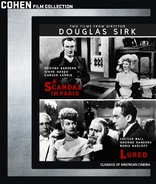
A Scandal in Paris / LuredCohen Media Group | 1946-1947 | 2 Movies | 202 min | Unrated | Sep 27, 2016
Price
List price:Listed on Amazon marketplace

Movie rating
Movie has not been rated yetBlu-ray rating
| Users |  | 0.0 |
| Reviewer |  | 3.5 |
| Overall | | 3.5 |
Overview
Two Films By Douglas Sirk (1946-1947)
| Film-Noir | 100% |
| Romance | 18% |
| Thriller | Insignificant |
| Crime | Insignificant |
| Comedy | Insignificant |
| Adventure | Insignificant |
| Mystery | Insignificant |
Specifications
Video
Video codec: MPEG-4 AVC
Video resolution: 1080p
Aspect ratio: 1.37:1
Original aspect ratio: 1.37:1
Audio
English: LPCM 2.0
Subtitles
English
Discs
Blu-ray Disc
Two-disc set (2 BDs)
Playback
Region A, B (C untested)
Review
Rating summary
| Movie | | 3.5 |
| Video |  | 4.0 |
| Audio |  | 3.0 |
| Extras |  | 1.5 |
| Overall | | 3.5 |
Two Films By Douglas Sirk Blu-ray Movie Review
Reviewed by Jeffrey Kauffman September 21, 2016Mention the name Douglas Sirk to virtually any discriminating cineaste, and chances are he or she will almost instinctively think of Sirk’s 1950s era melodramas like All I Desire, Magnificent Obsession, All That Heaven Allows, There's Always Tomorrow, Written on the Wind, The Tarnished Angels and Imitation of Life. While Sirk’s sudsy mid-century efforts are probably always going to be his best remembered contributions to the annals of American film (for better or worse), these hyperbolically emotional romances are of course only part of Sirk’s long and surprisingly varied filmography. Having established himself first as a stage director and then later as a film director in Germany, he ultimately moved to the United States not because he was Jewish (as was the case with so many European emigrés who matriculated to the American film industry during this era), but because his wife at the time was. Sirk’s first American feature was Hitler’s Madman, a film which certainly had its own hyperbolic tendencies even if it was a supposedly historical account of the assassination of Reinhard Heydrich rather than the roiling saga of star crossed lovers. Cohen Film Collection is now offering two relatively early Sirk films that followed in quick succession after Hitler’s Madman, 1946’s quasi-biography A Scandal in Paris and 1947’s quasi-noir Lured. What’s interesting about both of these films, especially for those who are only acquainted with the histrionics of Sirk’s fifties’ oeuvre, is how light and even comical they often are.
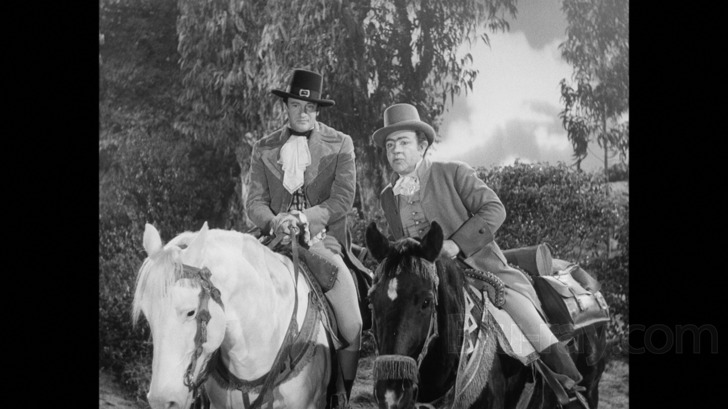
For reviews of each of the films included in this set, please click on the following links:
A Scandal in Paris Blu-ray review
Lured Blu-ray review
Two Films By Douglas Sirk Blu-ray Movie, Video Quality
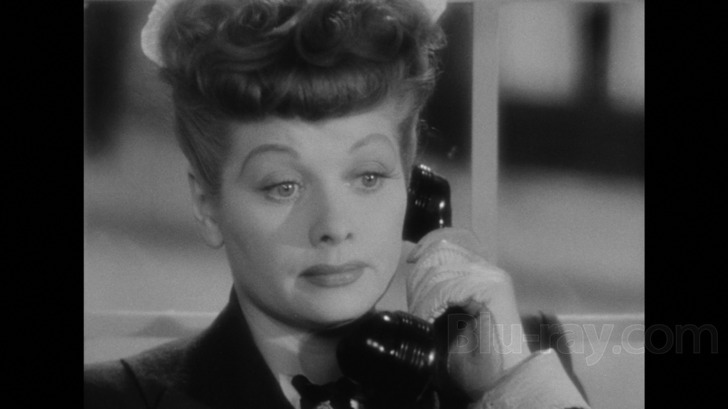
Video quality of each film is assessed in the above linked reviews.
Two Films By Douglas Sirk Blu-ray Movie, Audio Quality

Audio quality of each film is assessed in the above linked reviews.
Two Films By Douglas Sirk Blu-ray Movie, Special Features and Extras
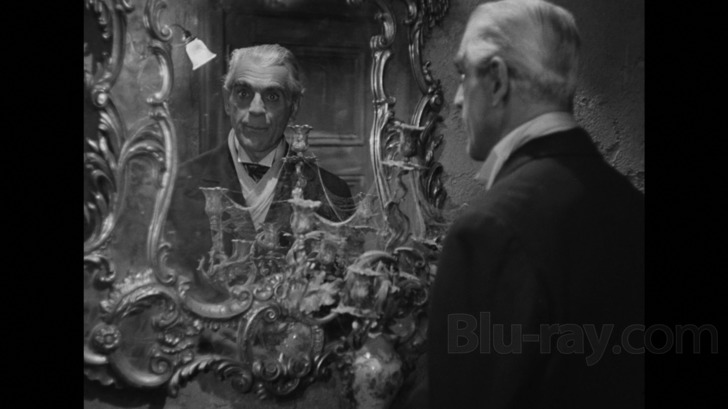
Supplementary material for each film is detailed in the above linked reviews.
Two Films By Douglas Sirk Blu-ray Movie, Overall Score and Recommendation
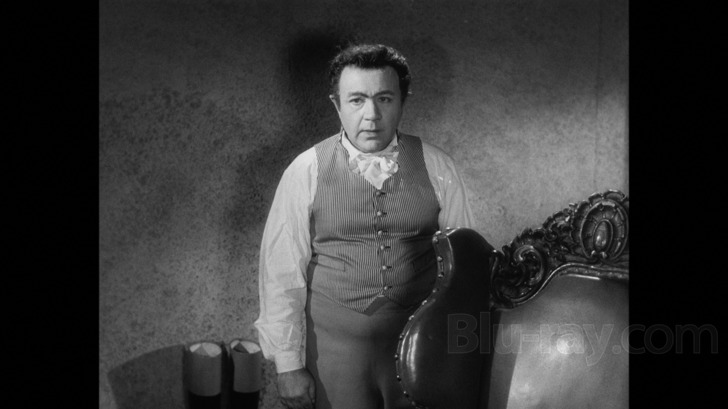
Anyone who defines Sirk solely on his melodramas may be in for a bit of a shock with this double feature, for these two films are manifestly different than the director's best known sudsy Technicolor outings. Neither of these films is an undiscovered masterpiece (despite what some press releases may allege), but they're each enormously entertaining in their own way, though each has some narrative hurdles that aren't easily overcome. Technical merits in both the audio and visual domains have a few issues, but taken as a whole this set comes Recommended.