The Taviani Brothers Collection Blu-ray Movie
HomeThe Taviani Brothers Collection Blu-ray Movie 
Father and Master / The Night of the Shooting Stars / KaosCohen Media Group | 1977-1984 | 3 Movies | 545 min | Not rated | Feb 16, 2016

Price
List price:Listed on Amazon marketplace

Movie rating
Movie has not been rated yetBlu-ray rating
| Users |  | 0.0 |
| Reviewer |  | 4.0 |
| Overall | | 4.0 |
Overview
The Taviani Brothers Collection (1977-1984)
| Foreign | 100% |
| Drama | 79% |
| Romance | 17% |
| Biography | 2% |
| Comedy | Insignificant |
Specifications
Video
Video codec: MPEG-4 AVC
Video resolution: 1080p
Aspect ratio: 1.67:1
Original aspect ratio: 1.66:1
Audio
Italian: LPCM Mono
Subtitles
English
Discs
50GB Blu-ray Disc
Three-disc set (3 BDs)
Playback
Region A, B (C untested)
Review
Rating summary
| Movie | | 4.0 |
| Video | | 4.0 |
| Audio | | 4.0 |
| Extras |  | 2.0 |
| Overall | | 4.0 |
The Taviani Brothers Collection Blu-ray Movie Review
Reviewed by Jeffrey Kauffman February 16, 2016The history of Italian cinema in the post World War II era is a really fascinating subject, though one that often is traditionally shorthanded to concentrate largely if not solely on neorealism. That now iconic genre, as evidenced by such legendary films as Rome, Open City, The Earth Trembles, Bicycle Thieves and Umberto D. introduced (or at least reintroduced) global audiences to such incredible filmmakers as Roberto Rossellini and Vittorio de Sica while also offering (especially American) audiences movies that were in some ways diametrically opposite to the glossy, staged and often predictably formulaic entries that had tended to be part of Hollywood’s studio system. (It’s interesting to note that the typically grittier film noir popped up in Hollywood at around the same time as neorealism, something that might indicate a more universal attempt to bash through norms of presentation.) But while neorealism is often used as a catch all into which some unlikely suspects are stuffed (like Federico Fellini, albeit for his less whimsical fifties work like La Strada), anyone who takes the time to pore over the huge gamut of films which were produced and released in Italy even in the few years directly after World War II would have to admit that there was a lot more going on than “just” neorealism. The sixties saw the rise of filmmakers (like Fellini, in fact) who pushed the stylistic envelope in ways that the neorealists never would have, and as time and society moved on past the hardscrabble days of the late forties and early fifties, it’s at least arguable that some elements of Italian cinema actually started to ply territory that was in fact closer to the glossy, staged and predictably formulaic efforts that (at least once, and maybe continually) typified Hollywood. While a number of different genres or at least cinematic niches popped up in Italy in the ensuing years, including giallo (Castle of Blood, included as an extra on Nightmare Castle, The Bird With the Crystal Plumage), perhaps understandably Italian cinema became even more fragmented and varietal as the seventies gave way to the eighties. That may be one reason why the films of brothers Paolo and Vittorio Taviani can sometimes be hard to peg, at least accurately. The two are on record (including in some lengthy interviews included as supplements on this new Blu-ray set) as stating that neorealism unavoidably played a part in their cinematic upbringings, and therefore became a perhaps subliminal influence on their work, but there are other elements of the Tavianis’ oeuvre which don’t fit quite so neatly in that (or in fact any) preconceived category.
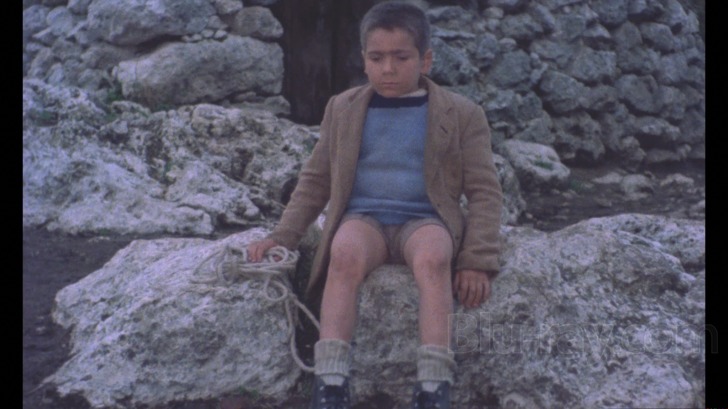
For reviews of the three films included in this set, please click on the following links:
Padre Padrone Blu-ray review
The Night of the Shooting Stars Blu-ray review
Kaos Blu-ray review
The Taviani Brothers Collection Blu-ray Movie, Video Quality
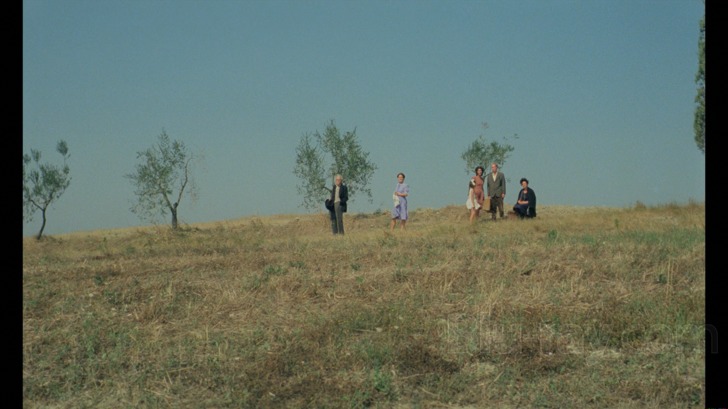
Video quality of the three releases is assessed in the above referenced reviews.
The Taviani Brothers Collection Blu-ray Movie, Audio Quality
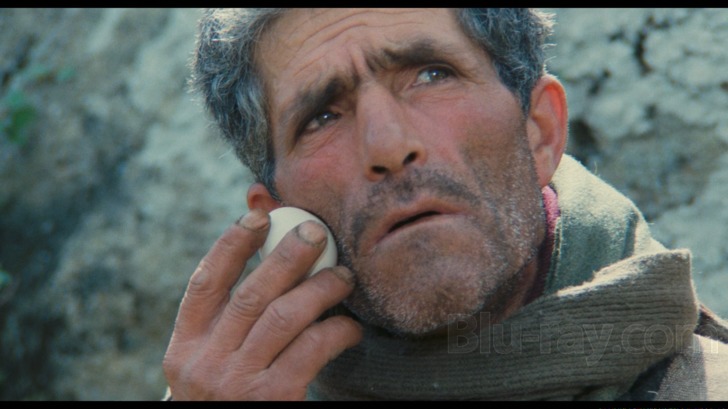
Audio quality of the three releases is assessed in the above referenced reviews.
The Taviani Brothers Collection Blu-ray Movie, Special Features and Extras
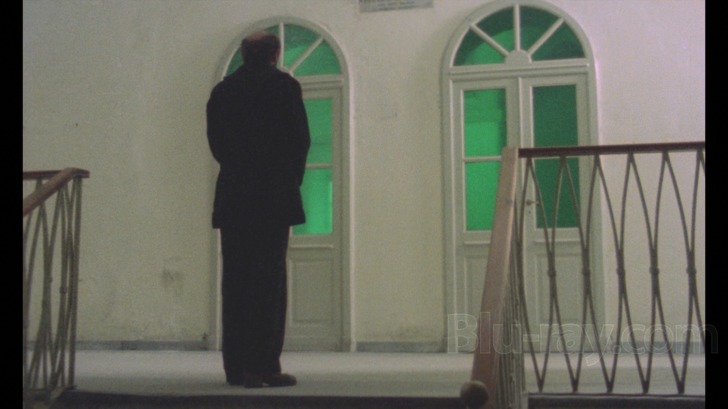
Supplemental material included on the three discs is detailed in the above referenced reviews.
The Taviani Brothers Collection Blu-ray Movie, Overall Score and Recommendation
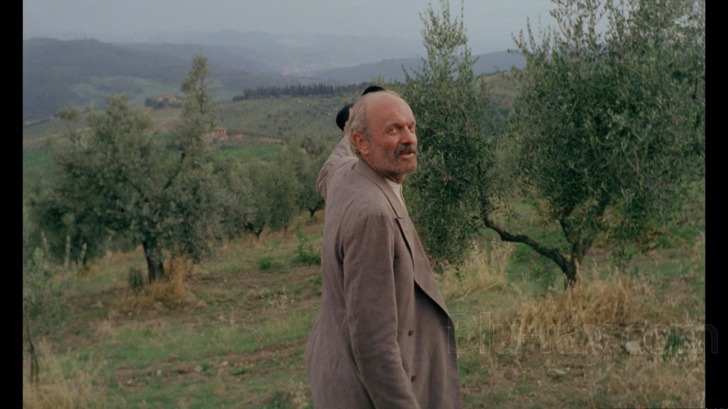
While cineastes with an interest in international cinema will certainly recognize the name(s) of the Taviani Brothers, the general film loving populace may not be that well acquainted with the siblings, at least when compared to other Italian icons like Fellini or de Sica. This three disc set offers a trio of engaging films in solid presentations, and the two part interview with the brothers covers a lot of interesting material. Highly recommended.