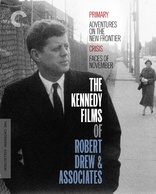
The Kennedy Films of Robert Drew & Associates Blu-ray Movie
HomeThe Kennedy Films of Robert Drew & Associates Blu-ray Movie 
Criterion | 1960-1964 | 4 Movies, 5 Cuts | 170 min | Not rated | Apr 26, 2016

Movie rating
Movie has not been rated yetBlu-ray rating
| Users |  | 0.0 |
| Reviewer |  | 4.0 |
| Overall | | 4.0 |
Overview
The Kennedy Films of Robert Drew & Associates (1960-1964)
See individual titles for their synopses.
| Documentary | 100% |
| History | 50% |
Specifications
Video
Video codec: MPEG-4 AVC
Video resolution: 1080p
Aspect ratio: 1.33:1
Original aspect ratio: 1.33:1
Audio
English: LPCM Mono
Subtitles
English
Discs
50GB Blu-ray Disc
Single disc (1 BD)
Playback
Region A (locked)
Review
Rating summary
| Movie | | 4.0 |
| Video |  | 3.5 |
| Audio | | 3.5 |
| Extras | | 4.0 |
| Overall | | 4.0 |
The Kennedy Films of Robert Drew & Associates Blu-ray Movie Review
Reviewed by Jeffrey Kauffman September 2, 2019You’ve probably heard of DirecTV, but have you heard of Direct Cinema? This subgenre of documentary filmmaking evidently owes its genesis, or perhaps at least its moniker, to Canadians, but among its best remembered proponents were American Robert Drew and his so-called Associates, a group which also included future documentarian luminaries D.A. Pennebaker, Richard Leacock and Albert Maysles. Drew and his cohorts revolutionized the American political documentary with a series of works that “starred” John F. Kennedy, first as a candidate in Primary, and then following him in his Presidency as he addressed various crises, including forced integration of schools. While perhaps not as pressingly “relevant” today as they were when they were originally released, the four films assembled in this set are remarkable achievements, and give a visceral peek into the freewheeling world of American politics in general and the Kennedy years in particular.
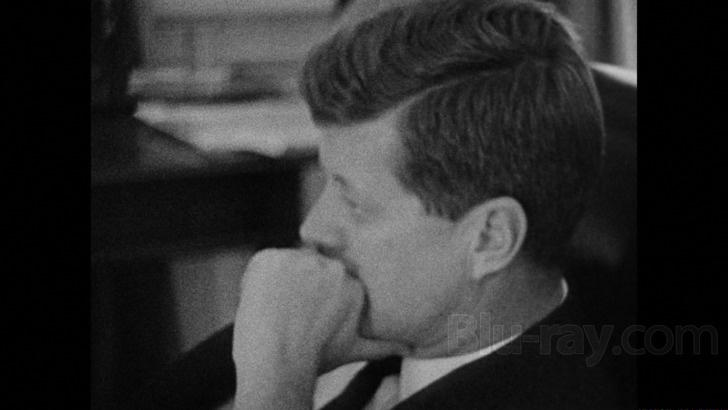
For reviews of the four films in this set, please click on the following links:
Primary Blu-ray review
Adventures on the New Frontier Blu-ray review
Crisis: Behind a Presidential Commitment Blu-ray review
Faces of November Blu-ray review
The Kennedy Films of Robert Drew & Associates Blu-ray Movie, Video Quality
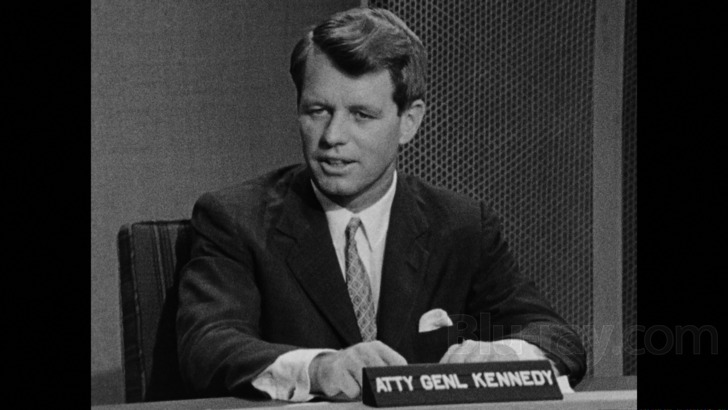
Video quality of each film is assessed in the above linked reviews.
The Kennedy Films of Robert Drew & Associates Blu-ray Movie, Audio Quality
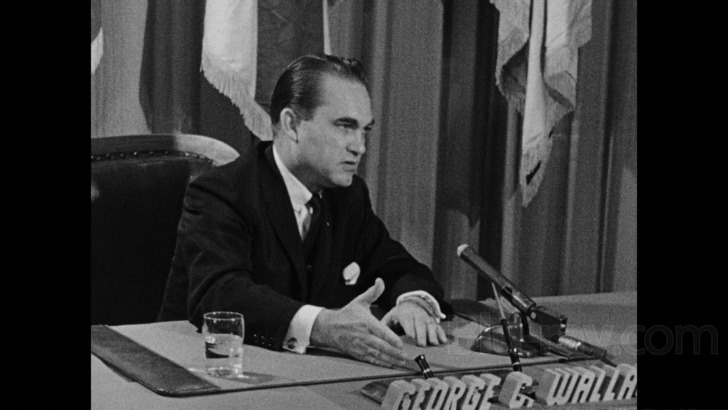
Audio quality of each film is assessed in the above linked reviews.
The Kennedy Films of Robert Drew & Associates Blu-ray Movie, Special Features and Extras
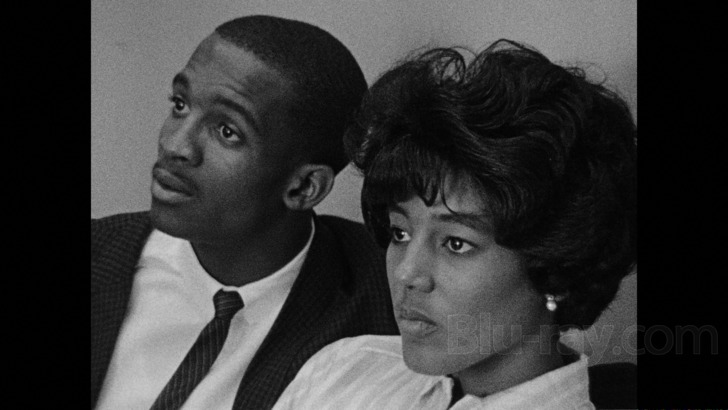
Primary has a couple of supplementary features included in its submenu, and I refer you to the Primary Blu-ray review for a listing of those. Otherwise, the disc offers the following more generalist extras (albeit two with a clear emphasis on Crisis) under a Supplements Menu:
- Robert Drew in His Own Words (1080p; 34:12) is a really interesting piece done by Criterion in 2016 aggregating a bunch of archival video and audio featuring Drew.
- Jill Drew and D.A. Pennebaker (1080p; 26:22) features the pair (recorded separately) in interviews conducted in the Criterion offices in 2015.
- Andrew Cohen on Crisis and its Outtakes (1080p; 46:23) offers an analysis by historian Andrew Cohen, followed by a selection of outtakes that didn't make the final cut of the documentary.
- Sharon Malone and Eric Holder (1080p; 26:15) is a fascinating piece featuring the sister of Vivian Malone, featured prominently in Crisis, with her husband, former U.S. Attorney General Eric Holder.
- Richard Reeves (1080p; 27:12) offers a reassessment of "Camelot" by the historian.
- Drew Associates at the Museum of Tolerance (1080p; 26:41) features some archival video, including interviews, from screenings of the Kennedy films in 1998.
The Kennedy Films of Robert Drew & Associates Blu-ray Movie, Overall Score and Recommendation
I've confessed my kind of geeky love for Time-Life products in various other reviews, and it kind of delights me no end that Time-Life was behind these pieces, as is documented in the essay by Thom Powers included in the insert booklet contained in this release. These four documentaries are all compelling and even moving in their own ways. Technical merits are occasionally a little wobbly, given the 16 mm source material and some at times prevalent damage, but as historical pieces, they're all incomparable. Highly recommended.