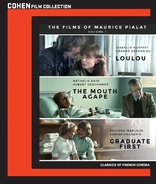
The Films of Maurice Pialat: Volume 1 Blu-ray Movie
HomeThe Films of Maurice Pialat: Volume 1 Blu-ray Movie 
Loulou / The Mouth Agape / Graduate FirstCohen Media Group | 1974-1980 | 4 Movies | 278 min | Not rated | May 17, 2016
Price
List price:Listed on Amazon marketplace

Movie rating
Movie has not been rated yetBlu-ray rating
| Users |  | 0.0 |
| Reviewer |  | 4.0 |
| Overall | | 4.0 |
Overview
The Films of Maurice Pialat: Volume 1 (1974-1980)
| Foreign | 100% |
| Drama | 81% |
| Romance | 22% |
Specifications
Video
Video codec: MPEG-4 AVC
Video resolution: 1080p
Aspect ratio: 1.66:1
Original aspect ratio: 1.66:1
Audio
French: Dolby Digital 2.0
Subtitles
English SDH
Discs
Blu-ray Disc
Three-disc set (3 BDs)
Playback
Region A, B (C untested)
Review
Rating summary
| Movie | | 4.0 |
| Video | | 4.0 |
| Audio |  | 3.0 |
| Extras | | 0.0 |
| Overall | | 4.0 |
The Films of Maurice Pialat: Volume 1 Blu-ray Movie Review
Reviewed by Jeffrey Kauffman May 19, 2016In my recent Death Walks Twice: Two Films by Luciano Ercoli Blu-ray review, I mentioned how it’s likely that talking about giallo to even the most ardent film buff would probably result in a response offering only one of two names, Dario Argento or Mario Bava. Similarly, if one were to ask a film fan to name a French director whose work spanned the 1960s through the 1980s, my hunch is most folks would tend to gravitate toward iconic names like Jean-Luc Godard, François Truffaut or Claude Chabrol. Nouvelle Vague so famously subsumed so much of modern (meaning post-World War II) French cinema that some creatives (like Chabrol in fact) found themselves akin to square pegs being (or at least attempted at being) thrust into round holes. Maurice Pialat is not a name known to many Western film lovers, even those who consider themselves Francophiles, and it’s interesting to note that Pialat often works in a style that would frankly make him more at home with his nearby European neighbors, the Italians, since Pialat frequently favors a neorealistic approach that is long on character, gritty verisimilitude, and a sometimes lax approach toward traditional plot structure and three act “arcs”. Pialat also tends to eschew some of the stylistic flourishes that populate the Nouvelle Vague catalog, especially in terms of editing. Instead of, well, Breathless cutting (sorry), Pialat often indulges in long, drawn out single takes that allow his actors to fully explore the nuances of their characters, even if at times dialogue is fitfully minimal. It’s a technique that immediately puts Pialat at odds with many of his (more) famous contemporaries, and may account at least in part for Pialat’s strange lack of recognition on this side of the pond. Cohen Film Collection, quickly becoming a haven for cineastes (if it hasn’t already), is helping to ameliorate that problem by releasing a trio of Pialat’s work spanning from 1974 to 1980, along with a revealing documentary about the director.
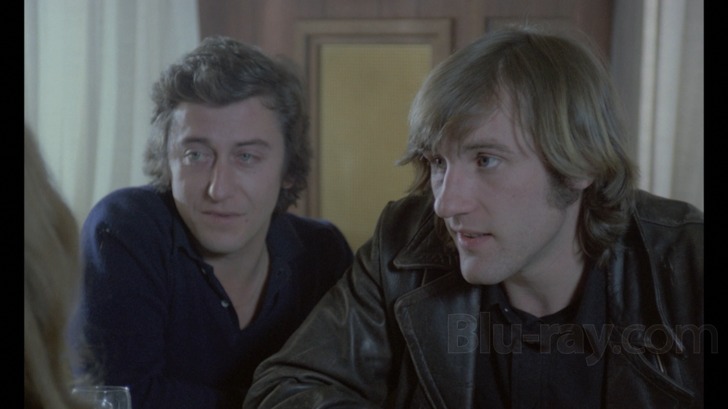
Reviews for the three films in this set can be accessed by clicking on the following links:
La Gueule ouverte Blu-ray review
Graduate First Blu-ray review
Loulou Blu-ray review
The Films of Maurice Pialat: Volume 1 Blu-ray Movie, Video Quality
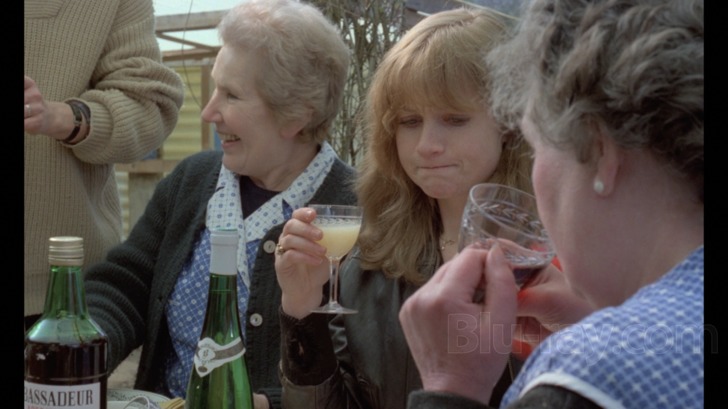
Video quality for each film is assessed in the above linked reviews.
The Films of Maurice Pialat: Volume 1 Blu-ray Movie, Audio Quality
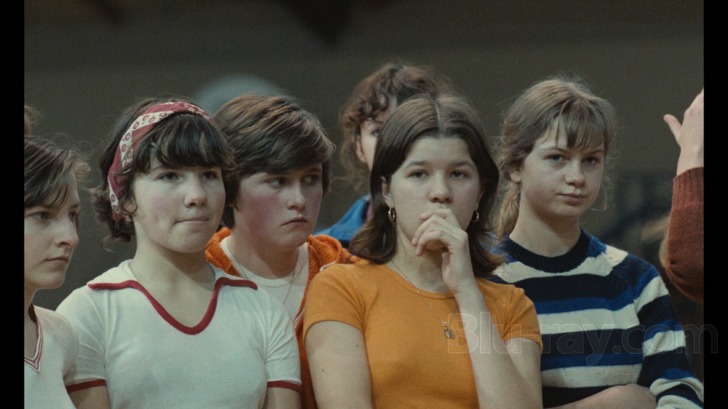
Audio quality for each film is assessed in the above linked reviews.
The Films of Maurice Pialat: Volume 1 Blu-ray Movie, Special Features and Extras
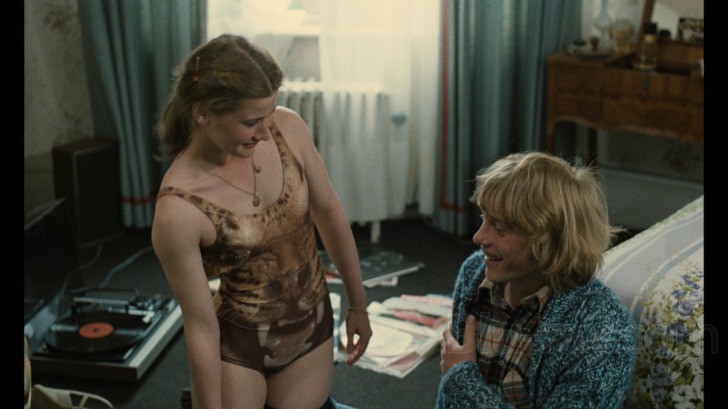
Cohen has spread the three feature films and supplements across the three discs in this set in a somewhat unusual way. The Mouth Agape and Graduate First share one BD-50 with no supplemental content, while Loulou is on its own BD-50 with its supplemental features. The third disc contains the following content:
- Maurice Pialat: Love Exists (1080p; 1:25:10) is a really interesting overview of Pialat's work, documenting a number of his early films while also giving some fascinating referents from films which colored Pialat's youth. This is a great place to start for those unfamiliar with Pialat's oeuvre.
- Interview with Patrick Grandperret and Arlette Langmann (1080p; 11:04)
- Original Trailer (1080p; 2:29)
- 2016 Re-Release Trailer (1080p; 1:11)
- Deleted Scenes (1080p; 11:26)
- Interview with Micheline Pialat (1080p; 11:56)
- Interview with Nathalie Baye (1080p; 8:06)
- Original Trailer (1080p; 2:56)
- 2016 Re-Release Trailer (1080p; 1:26)
The Films of Maurice Pialat: Volume 1 Blu-ray Movie, Overall Score and Recommendation
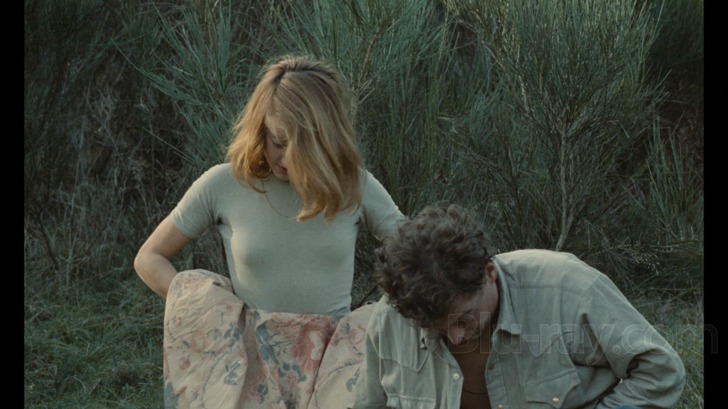
Maurice Pialat is a curiously underappreciated talent on this side of the pond, and truth be told, he's probably even underappreciated to this day in his native France. These three films are hardly life affirming joys to behold, and in fact some may feel they're simply too depressive to tolerate, but Pialat is an undeniable master at creating a palpable mood of both the wonder and banality of everday life. Technical merits are strong visually, though the lack of lossless audio will be problematic for some. Supplemental features are outstanding, and The Films of Maurice Pialat comes Highly recommended.