Survivor Ballads: Three Films by Shohei Imamura Blu-ray Movie
HomeSurvivor Ballads: Three Films by Shohei Imamura Blu-ray Movie 
Arrow | 1983-1989 | 3 Movies | 378 min | Not rated | Dec 08, 2020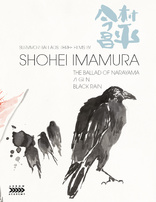
Price
List price:Listed on Amazon marketplace

Movie rating
Movie has not been rated yetBlu-ray rating
| Users |  | 0.0 |
| Reviewer |  | 4.0 |
| Overall | | 4.0 |
Overview
Survivor Ballads: Three Films by Shohei Imamura (1983-1989)
See individual titles for their synopses.
| Foreign | 100% |
| Drama | 55% |
| War | 2% |
| History | 1% |
| Comedy | Insignificant |
Specifications
Video
Video codec: MPEG-4 AVC
Video resolution: 1080p
Aspect ratio: 1.85:1
Original aspect ratio: 1.85:1
Audio
See individual releases
Subtitles
English
Discs
Blu-ray Disc
Three-disc set (3 BDs)
Playback
Region A, B (locked)
Review
Rating summary
| Movie | | 4.0 |
| Video | | 4.0 |
| Audio | | 4.0 |
| Extras | | 4.0 |
| Overall | | 4.0 |
Survivor Ballads: Three Films by Shohei Imamura Blu-ray Movie Review
Reviewed by Jeffrey Kauffman December 22, 2020Despite being the only Japanese director to win the coveted Palme d’Or at the Cannes Film Festival twice, Shōhei Imamura hasn’t seemed to penetrate into general public consciousness in quite the same way that, say, Akira Kurosawa, the Japanese director who won the Palme d’Or a couple of years before Imamura’s first win, has. As much as France tends to be associated with the phrase “New Wave” (and/or nouvelle vague, as the case may be), Japan itself probably unsurprisingly had its own New Wave, and Imamura is often cited as one of its leading proponents. The fact that one of Imamura’s first independent features made without studio meddling was entitled The Pornographers may give some indication of how provocative Imamura’s content can be, but in some ways Imamura is not the stylistic enfant terrible that some of his counterparts in France like Jean-Luc Godard and/or François Truffaut often were. Arrow Video’s Arrow Academy imprint has released three of Imamura’s fascinating films, and while some might have preferred that his “other” Palme d’Or winner, The Eel, might have been included along with his first film to take home that prize, The Ballad of Narayama, this trifecta is certainly a fantastic introduction to Imamura for those previously unacquainted with him, and it’s also a worthy collection in its own right for those who are already fans of Imamura.
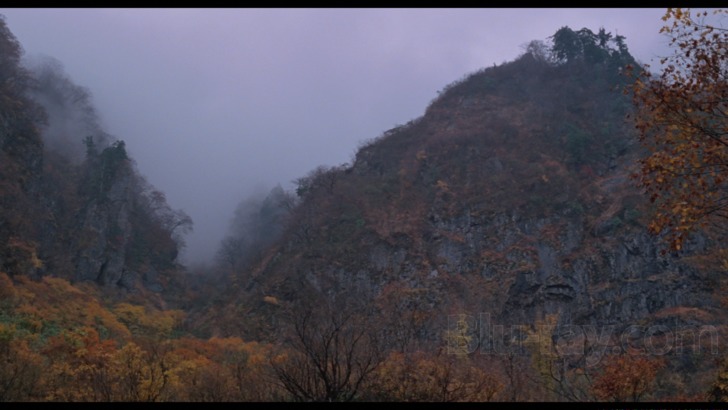
For reviews of the three films in this set, please click on the following links:
The Ballad of Narayama Blu-ray review
Zegen Blu-ray review
Black Rain Blu-ray review
Survivor Ballads: Three Films by Shohei Imamura Blu-ray Movie, Video Quality

Video quality of each film is assessed in the above linked reviews.
Survivor Ballads: Three Films by Shohei Imamura Blu-ray Movie, Audio Quality

Audio quality of each film is assessed in the above linked reviews.
Survivor Ballads: Three Films by Shohei Imamura Blu-ray Movie, Special Features and Extras
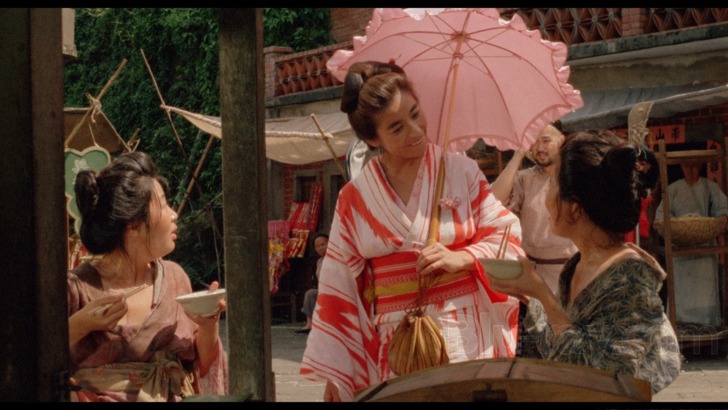
Supplementary material accompanying each film is detailed in the above linked reviews. Additionally, this is another very handsomely packaged set from Arrow, with a nice slipbox with art, each release in its own keepcase with reversible sleeve, and a rather hefty 80 page booklet with cast and crew information, an essay by Tom Mes, and technical data (along with stills).
Survivor Ballads: Three Films by Shohei Imamura Blu-ray Movie, Overall Score and Recommendation
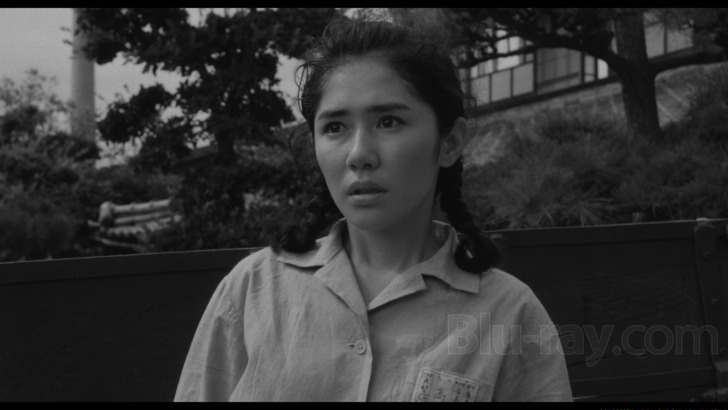
Some may wish that Zegen might have been replaced with The Eel for this set, but otherwise this is a sterling representation of Imamura's work from this general period, and as usual with Arrow releases, it's handsomely packaged, with generally solid technical merits and some outstanding supplements (the Jasper Sharp commentaries and Tony Rayns appreciations are all excellent). Highly recommended.