Recorder: The Marion Stokes Project Blu-ray Movie
HomeRecorder: The Marion Stokes Project Blu-ray Movie 
Kino Lorber | 2019 | 87 min | Not rated | Mar 10, 2020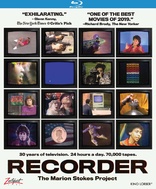

Movie rating
7.1 | / 10 |
Blu-ray rating
| Users |  | 0.0 |
| Reviewer |  | 2.5 |
| Overall | | 2.5 |
Overview
Recorder: The Marion Stokes Project (2019)
Marion Stokes secretly recorded television 24 hours a day for 30 years from 1975 until her death in 2012. For Marion taping was a form of activism to seek the truth, and she believed that a comprehensive archive of the media would be invaluable for future generations. Her visionary and maddening project nearly tore her family apart, but now her 70,000 VHS tapes are being digitized and they'll be searchable online.
Director: Matt Wolf| Documentary | 100% |
Specifications
Video
Video codec: MPEG-4 AVC
Video resolution: 1080p
Aspect ratio: 1.78:1
Original aspect ratio: 1.78:1
Audio
English: DTS-HD Master Audio 5.1
English: DTS-HD Master Audio 2.0
Subtitles
English SDH
Discs
Blu-ray Disc
Single disc (1 BD)
Playback
Region A (locked)
Review
Rating summary
| Movie | | 2.5 |
| Video |  | 3.0 |
| Audio | | 3.0 |
| Extras | | 3.0 |
| Overall | | 2.5 |
Recorder: The Marion Stokes Project Blu-ray Movie Review
An exploration on hoarding and mental illness
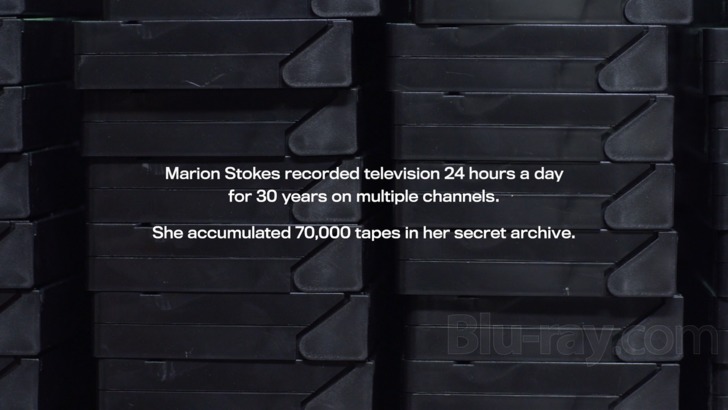
Reviewed by Neil Lumbard May 20, 2020Recorder: The Marion Stokes Project is a documentary exploring the life of a woman, Marion Stokes, who obsessively recorded television 24/7 across over twenty channels for over 30 years. The woman dedicated much of her life to recording TV non-stop. She amassed over 70,000 VHS tapes with her television recordings.
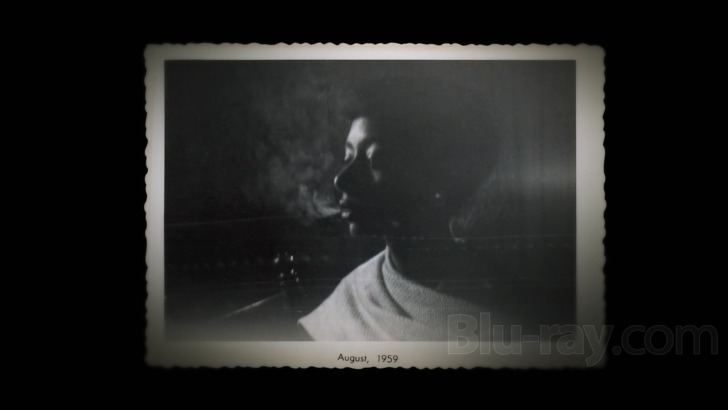
The documentary explores her story: Stokes once worked as a librarian and later delved into appearing on television programs. She was a social activist who got involved in the socialist movement. She had married young and to a wealthy man. Stokes had career success and a son, Michael Metelits, who is interviewed for the documentary. She loved Star Trek and her son discusses the importance of the series to her (and one of the final shots of the film even shows her in a Starfleet photograph).
Yet there was more going on with Stokes. Recorder: The Marion Stokes Project interviews her son, her nurse, and others who knew her in real life. As the film unfolds a portrait of an obsessive hoarder goes underway. Any viewer who sees the documentary will recognize that it is a story of a hoarder whose hoarding issues managed to seep into her recording of these tapes. In addition to her “collection” of over 70,000 recorded VHS tapes she also owned over 50,000 books – and that was just the start of it.
She had rooms filled to the brim with newspapers. (Her son claims she read multiple a day and never got rid of any her entire life.) Rooms of endless Apple computers. Rooms of countless odds and ends that filled the storage completely. Those close to her heard of her desire to purchase a new home just for storing her recorded VHS tapes. Apparently she had somewhere around eight homes and all were filled to the brim with her things.
"Honey, did you remember to record that one program?"
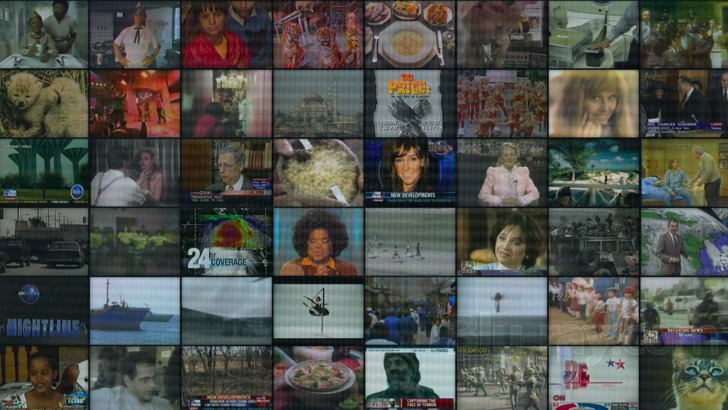
The main topic of the film, of course, is the recorded VHS tapes. Marion Stokes recorded everything the television networks broadcast. The project had nothing to do with recording a favorite television program or to record a broadcast when busy doing something else. Rather, Stokes recorded all the endless news, infomercials, commercials, television shows, sports, and everything else in between. Imagine: Stokes may have recorded hundred of hours of late night infomercials.
As the documentary unfolds, director Matt Wolf (Wild Combination: A Portrait of Arthur Russell, Teenage) showcases some important news stories (such as the Iran hostage crisis and 9/11 footage) to showcase how Stokes had archived some footage that was historically significant. The film shows how footage was recorded of important moments from CNN, NBC, ABC, and other networks. These scenes all contribute to a point the documentary is trying to make: a portrait of Stokes as a visionary with her quest to record everything.
Was Stokes a visionary? Or a compulsive hoarder? The latter seems obvious and the film could have delved into this element to an even greater extent. While the recording of significant news seems to make sense – did she need stories about Timmy losing his socks? Or infomercials about losing that excess weight? (Perhaps those would have been beneficial to trimming her VHS recordings down.)
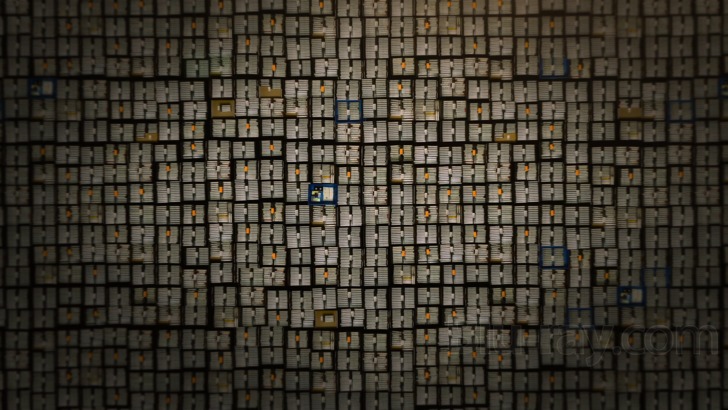
Stokes recorded so many VHS tapes that when she passed away her son had the tapes moved into storage. The tapes completely filled three entire storage units to the brim. The photos certainly make one wonder. A life spent recording tapes? The documentary says that the Internet Archive has now archived these tapes for others to watch. But does anyone actually watch these archives? Considering Star Trek is now on Blu-ray (with outstanding presentations) does anyone actually want to watch fuzzy VHS recordings? The famous Apple commercial (another thing the documentary highlights that she recorded) is on YouTube.
So the question remains: was Stokes a archivist visionary? Or is Recorder: The Marion Stokes Project simply a portrait of a compulsive hoarder? I vote the latter. Was the 30 plus years of recording these television networks 24/7 worth it? As the saying goes, you can't take it with you.
Recorder: The Marion Stokes Project Blu-ray Movie, Video Quality
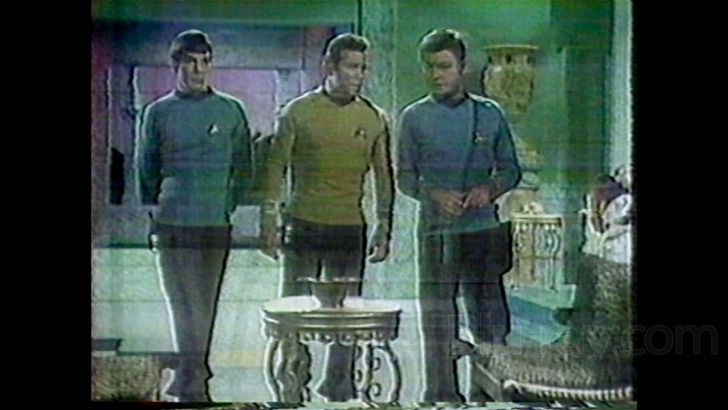
Arriving on Blu-ray from distributor Kino Lorber and Zeitgeist Films, Recorder: The Marion Stokes Project is presented in 1080p MPEG-4 AVC encoded high definition in the original 1.78:1 widescreen aspect ratio. The film has footage which was recently recorded in HD and which looks modern and crisp with excellent detail on display. However, considering the subject matter of the documentary, an abundance of footage in the presentation is actually culled from hours upon hours of crummy old tape recordings.
The footage from the tape recordings of Marion Stokes appear rather archaic compared to the modern footage and showcase all the typical signs of presentation wear one expects from a tape. There is nothing at all spectacular about the old footage quality. Given the concept and approach to the filmmaking, viewers should remember that this is how the film is actually supposed to look. The documentary is far from being a visual stunner but that is actually keeping with the intended aesthetic.
Recorder: The Marion Stokes Project Blu-ray Movie, Audio Quality
The release is presented with two lossless audio presentations: 5.1 DTS-HD Master Audio and 2.0 DTS-HD Master Audio. The surround sound track is somewhat minimalistic sounding and is just implemented to enhance the use of music. The track has a lot of audio taken from the archival recordings on tape. These audio elements obviously sound dated and have a lot more rough edges.
Optional English SDH subtitles (for the deaf and hard of hearing) are provided.
Recorder: The Marion Stokes Project Blu-ray Movie, Special Features and Extras
Audio Commentary by Director Matt Wolf
Episodes of Marion Stokes's TV Show "Input":
The Anatomy of Violence, Part 1: Kill or be Killed (SD, 58:34)
The Anatomy of Violence, Part 4: Violence for Breakfast (SD, 58:34)
The Anatomy of the Unknown, Part 1: The Future (SD, 58:33)
Recorder: The Marion Stokes Project Trailer (HD, 1:55)
The release also includes trailers for other releases available from distributor Kino Lorber: The Woman Who Loves Giraffes (HD, 2:14), Working Woman (HD, 1:46), Be Natural: The Untold Story of Alice Guy-Blanche (HD, 2:27), and Bombshell: The Hedy Lamarr Story (HD, 1:19).
Recorder: The Marion Stokes Project Blu-ray Movie, Overall Score and Recommendation
Recorder: The Marion Stokes Project is an exploration of a woman who obsessively recorded television 24/7 for over 30 years (across over twenty channels) while amassing over 70,000 tapes. The film is a somewhat troubling exploration of hoarding and the damage it can cause to one in their personal life. The filmmakers try to paint a picture of Stokes as a visionary by the conclusion but the film can't bypass the obvious hoarding. An interesting watch but mostly it serves as a reminder to people to cherish their loved ones and the precious time one can spend on the planet. Rent It.
Similar titles
Similar titles you might also like
(Still not reliable for this title)

A Band Called Death
2012

The Dog
2013

Helvetica
2007

Marwencol
2010

Finding Vivian Maier
2013

Indie Game: The Movie
Special Edition - Limited Edition to 3000
2012

A Beautiful Planet 4K
IMAX Enhanced
2016

The Wolfpack
2015

Citizenfour
2014

A Place at the Table
2012

Side by Side
2012

The Death of "Superman Lives": What Happened?
2015

The Great Buster: A Celebration
2018

Life Itself
2014

Mankind: The Story of All of Us
2012

Bowling for Columbine
2002

The Late Great Planet Earth
1979

Spitfire: The Plane That Saved the World
2018

Sicko
2007

Dear Zachary: A Letter to a Son About His Father
2008