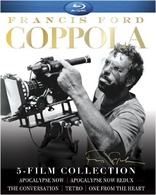
Francis Ford Coppola: 5-Film Collection Blu-ray Movie
HomeFrancis Ford Coppola: 5-Film Collection Blu-ray Movie 
Apocalypse Now | Apocalypse Now Redux / The Conversation / One From the Heart / TetroLionsgate Films | 1974-2009 | 4 Movies, 5 Cuts | 694 min | Rated R | Dec 04, 2012
Price
List price:Listed on Amazon marketplace

Movie rating
Movie has not been rated yetBlu-ray rating
| Users |  | 0.0 |
| Reviewer |  | 4.0 |
| Overall | | 4.0 |
Overview
Francis Ford Coppola: 5-Film Collection (1974-2009)
| Drama | 100% |
| Psychological thriller | 20% |
| War | 15% |
| Mystery | 14% |
| Epic | 12% |
| Romance | 10% |
| Thriller | 4% |
| Musical | Insignificant |
Specifications
Video
Video codec: MPEG-4 AVC
Video resolution: 1080p
Aspect ratio: 1.78:1
Original aspect ratio: 1.85:1
Audio
See individual releases
Subtitles
None
Discs
50GB Blu-ray Disc
Four-disc set (4 BDs)
Packaging
Slipcover in original pressing
Playback
Region A (locked)
Review
Rating summary
| Movie | | 4.0 |
| Video | | 4.0 |
| Audio | | 4.0 |
| Extras | | 4.0 |
| Overall | | 4.0 |
Francis Ford Coppola: 5-Film Collection Blu-ray Movie Review
Worth a double (or triple) dip?
Reviewed by Jeffrey Kauffman December 4, 2012Hollywood and its denizens are famous (perhaps even infamous) for reinventing themselves, but there have been few reboots as dramatic as the so-called New Hollywood that erupted in the late sixties and continued for another decade or so, injecting the nearly moribund studio system with a dose of independent film spirit, somewhat akin to a senior citizen deciding on a whim to smoke a joint or (heaven forfend) drop some acid (perhaps a perfect appropriate metaphor, given certain proclivities during that time period). A lot of future icons burst into the mainstream during this period, including several directors who would go on to legendary status. Among these are Martin Scorsese, Robert Altman, George Lucas, and one man who perhaps best personifies that independent spirit, Francis Ford Coppola. (Ironically, the most successful director of this “new” generation, Steven Spielberg, is considered to traditional to be included in most lists of this movement.) Coppola earned his stripes in low budget fare like some Roger Corman productions, but then after a couple of higher profile screenplay jobs (This Property is Condemned, Is Paris Burning? ) rather incredibly (even to him) was offered the decidedly mainstream film version of Finian’s Rainbow, a musical that had one of the longest gestational periods in the history of Broadway to Hollywood translations (the Broadway version opened in 1947, and the film arrived in 1968). The film musical, much like the studio system itself, was a dying art form in the late sixties, and Finian’s Rainbow, despite being one of the more ebullient film tuners of its day, died a quick death at the boxoffice, and Coppola found himself returning to screenplay writing for 1970’s huge hit Patton. In the meantime Coppola had jettisoned his attempts to work solely in the existing studio system and had begun work on what would eventually become American Zoetrope, his private production company which not only brought out a number of high profile Coppola films, but two early films by one of Coppola’s best friends, George Lucas (namely THX 1138 and American Graffiti). Once again irony was not about to let Coppola be, and when he was hired to direct what was not especially a highly anticipated property, he turned The Godfather into one of the most legendary films of all time and cemented his place among the greatest directors of his generation.

This new five film (counting both versions of Apocalypse Now) gathers together four films we've previously reviewed, as well as the new to Blu-ray One From the Heart. Links to full length reviews of these films can be found here:
Apocalypse Now Blu-ray review
The Conversation Blu-ray review
Tetro Blu-ray review
One From the Heart Blu-ray review
Francis Ford Coppola: 5-Film Collection Blu-ray Movie, Video Quality
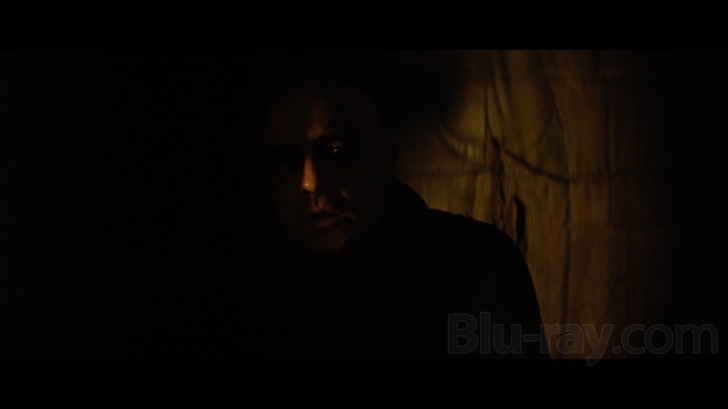
For in depth analysis of the image quality of the individual films, see the review links above.
Francis Ford Coppola: 5-Film Collection Blu-ray Movie, Audio Quality
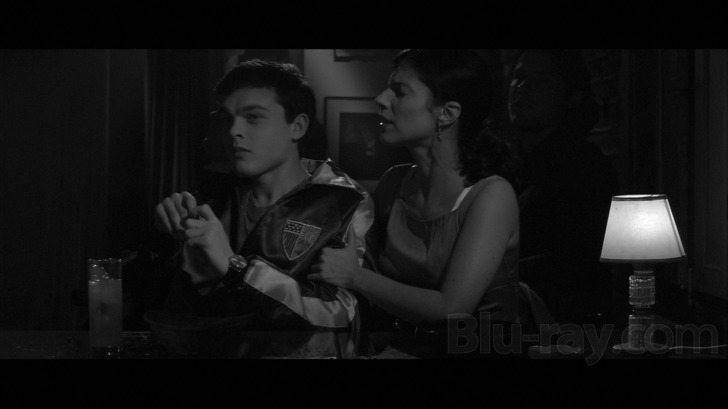
For in depth analysis of the audio quality of the individual films, see the review links above.
Francis Ford Coppola: 5-Film Collection Blu-ray Movie, Special Features and Extras
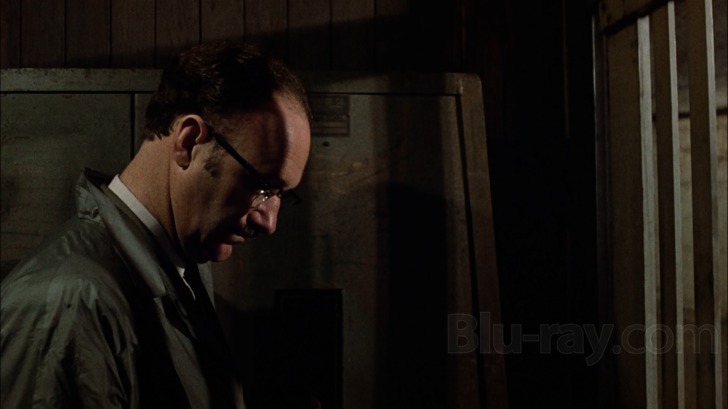
For in depth analysis of the supplemental features of the individual films, see the review links above. Note that Apocalypse Now and Apocalypse Now Redux are on one disc featuring only:
- Francis Ford Coppola Commentary
- Metamenu App
- BD Touch App
Francis Ford Coppola: 5-Film Collection Blu-ray Movie, Overall Score and Recommendation

There are two undeniable masterpieces in this set (three if you count the reworked Apocalypse Now Redux0, and two interesting misfires. However, since one of those misfires, One From the Heart, which happens to be the only new to Blu-ray film in this set, features a seriously flawed transfer (unless I'm informed my disc is defective), the whole point of buying this box set is probably moot.