Female Prisoner Scorpion: The Complete Collection Blu-ray Movie
HomeFemale Prisoner Scorpion: The Complete Collection Blu-ray Movie 
Female Prisoner #701: Scorpion / Female Prisoner Scorpion: Jailhouse 41 / Female Prisoner Scorpion: Beast Stable / Female Prisoner Scorpion: #701's Grudge Song | Limited Edition / Blu-ray + DVDArrow | 1972-1973 | 4 Movies | 353 min | Not rated | Aug 09, 2016

Price
List price:Listed on Amazon marketplace

Movie rating
Movie has not been rated yetBlu-ray rating
| Users |  | 2.3 |
| Reviewer |  | 3.0 |
| Overall | | 2.3 |
Overview
Female Prisoner Scorpion: The Complete Collection (1972-1973)
| Foreign | 100% |
| Drama | 37% |
| Crime | 13% |
| Thriller | Insignificant |
Specifications
Video
Video codec: MPEG-4 AVC
Video resolution: 1080p
Aspect ratio: 2.39:1
Original aspect ratio: 2.35:1
Audio
Japanese: LPCM Mono (48kHz, 24-bit)
Subtitles
English
Discs
Blu-ray Disc
Eight-disc set (4 BDs, 4 DVDs)
DVD copy
Playback
Region A, B (locked)
Review
Rating summary
| Movie | | 3.0 |
| Video |  | 2.0 |
| Audio | | 3.0 |
| Extras |  | 4.0 |
| Overall | | 3.0 |
Female Prisoner Scorpion: The Complete Collection Blu-ray Movie Review
Reviewed by Jeffrey Kauffman August 13, 2016The damsel in distress has been a cinematic staple since the earliest day of the silents, when aghast audiences were horrified by the sight of some dastardly villain tying a helpless heroine to the railroad tracks (or something like that). Interestingly, that plot device underwent a subtle but ultimately kind of significant change decades later when the whole “women in prison” subgenre started cropping up. Suddenly, the damsels weren’t just in distress, they were surrounded by leering people ostensibly in power, and they also had to suffer various indignities fostered by their fellow inmates. This almost fetishitic subject matter had a zenith of sorts in a series of Japanese exploitation films that began with 1972’s Female Prisoner #701: Scorpion, a series which appeared probably not so coincidentally just as feminism was really starting to gain a toehold globally. Featuring Meiko Kaji, who would go on to star in the Female Prisoner Scorpion sequels as well as the somewhat tonally similar The Complete Lady Snowblood, the Female Prisoner Scorpion films are fascinating not just for their often lurid content, but also for presentational aspects that are oddly if quite interestingly theatrical, giving the films a bit of both the mundane and the arcane.
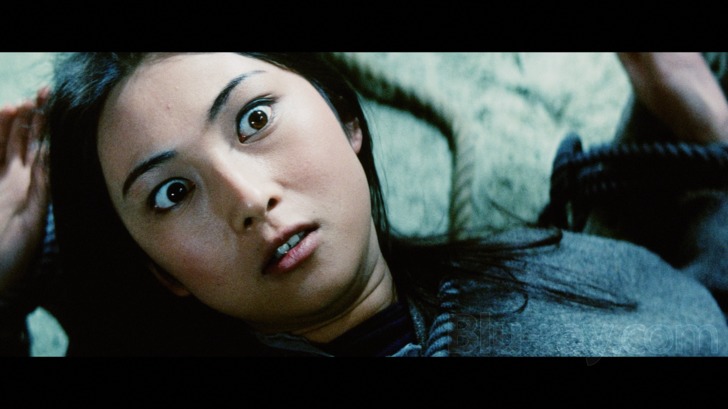
For reviews of the four films included in this set, please click on the following links:
Female Prisoner #701: Scorpion Blu-ray review
Female Prisoner Scorpion: Jailhouse 41 Blu-ray review
Female Prisoner Scorpion: Beast Stable Blu-ray review
Female Prisoner Scorpion: #701's Grudge Song Blu-ray review
Female Prisoner Scorpion: The Complete Collection Blu-ray Movie, Video Quality
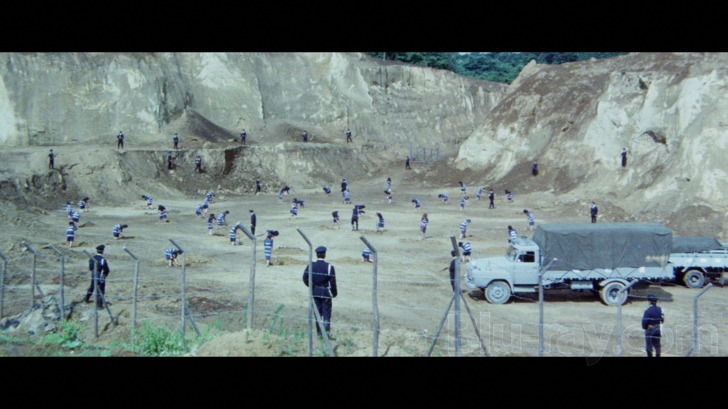
Video quality of each release is discussed in the above linked reviews.
Female Prisoner Scorpion: The Complete Collection Blu-ray Movie, Audio Quality
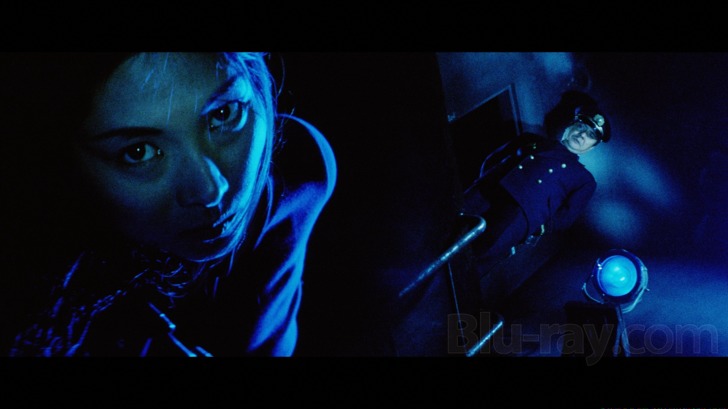
Audio quality of each release is discussed in the above linked reviews.
Female Prisoner Scorpion: The Complete Collection Blu-ray Movie, Special Features and Extras

Supplementary material included with each release is detailed in the above linked reviews. Additionally, the set comes housed in a sturdy chipboard slipcase which also includes a hardback book with some good essays, archival stills and information about the transfers. Finally, a double sided poster printed on glossy stock is also included (folded).
Female Prisoner Scorpion: The Complete Collection Blu-ray Movie, Overall Score and Recommendation

This is going to be a bit of a heart breaker for some fans of this series, for it's obvious that Arrow wanted to put together a spectacular box set for this release. Why Toie would license masters and/or elements with such obvious issues is a discussion for another day, but the problematic video is going to be a major stumbling block for many, if not most, fans of this oddly compelling franchise. There's a ton of really excellent supplemental material here, and that may tend to sway at least some fans, but my personal recommendation is to wait for a sale if you're considering picking this up. Are there better source materials out there somewhere? One can only hope.