America in Primetime Blu-ray Movie
HomeAmerica in Primetime Blu-ray Movie 
PBS | 2011 | 240 min | Not rated | Jan 17, 2012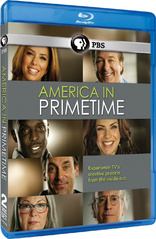

Movie rating
6.8 | / 10 |
Blu-ray rating
| Users |  | 0.0 |
| Reviewer |  | 4.0 |
| Overall | | 4.0 |
Overview
America in Primetime (2011)
America in Primetime is structured around the most compelling shows on television today, unfolding over four hours and weaving between past and present. Each episode focuses on one character archetype that has remained a staple of primetime through the generations – the Independent Woman, the Man of the House, the Misfit, and the Crusader – capturing both the continuity of the character, and the evolution. The finest television today has as its foundation the best television of yesterday.
Starring: Alec Baldwin, Candice Bergen, Roseanne Barr, Carl Reiner, Jon HammDirector: Lloyd Kramer
| Documentary | 100% |
Specifications
Video
Video codec: MPEG-4 AVC
Video resolution: 1080i
Aspect ratio: 1.78:1
Original aspect ratio: 1.78:1
Audio
English: Dolby Digital 2.0
Subtitles
English SDH
Discs
25GB Blu-ray Disc
Two-disc set (2 BDs)
Playback
Region A (B, C untested)
Review
Rating summary
| Movie | | 4.0 |
| Video | | 4.0 |
| Audio |  | 3.0 |
| Extras | | 3.0 |
| Overall | | 4.0 |
America in Primetime Blu-ray Movie Review
Television history, without commercials
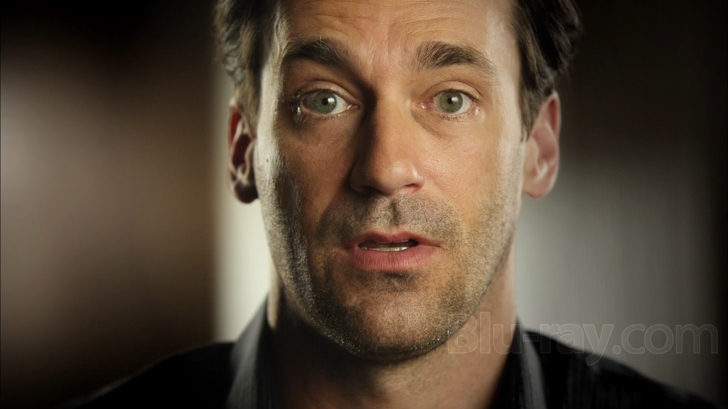
Reviewed by Brian Orndorf January 30, 2012Television has transformed radically over the last 60 years. While most viewers remain well aware of the seismic media shift, it’s quite remarkable to see the winding path of storytelling recounted in “America in Primetime,” a documentary dissection of programming highlights. The shows discussed here are singled out for the inimitable perspective and ability to shift the cultural POV, guiding the general public to a greater consciousness with stellar achievements in characterization, tonality, and awareness. Divided into four episodes, each with a specific theme for inspection, the series delves into the leadership position T.V. gradually established, helping to reflect attitudes, fears, and politics along the way. Offering interviews and insights from the likes of Mary Tyler Moore, Roseanne Barr, Marc Cherry, Diablo Cody, Norman Lear, Jerry Mathers, Carl Reiner, Danny DeVito, Paul Feig, Garry Shandling, Larry David, Alan Ball, Andre Braugher, Gillian Anderson, and Candace Bergen, “America in Primetime” covers a wide range of reflection and celebration, searching to uncover the alchemy of the addictive television tradition.
Episodes
“Man of the House” (55:50, Airdate – 11/6/11)
The role of the father in television programming has shifted drastically. “Man of the House” looks to explore patriarchal roles in popular culture, where the stern taskmaster who ruled over his roost with a smug knowledge of the world gave way to a reduction in traditional masculine behaviors, studying the freefall from pure fiction to the television realism we encounter today. For the 1950s, there’s “Father Knows Best,” with Robert Young as a parent with a lifetime of experiences and life lessons in his back pocket, living with a sedate, obedient family. The 1960s brought “The Dick Van Dyke Show,” where the star and his T.V. wife Mary Tyler Moore were presented as a loving couple (apparently not all that loving with their separate beds) with differences, handled gracefully by creator Carl Reiner. The 1970s ushered in a new breed of dad with the bigot Archie Bunker and “All in the Family,” a provocative program that chilled CBS executives when it first aired -- a disturbance alleviated by the show’s success and ability to communicate the changing tides in American consciousness. The goofy father phase of the early 1980s was shut down by “The Cosby Show,” with Bill Cosby returning authority to the parental role, creating a character of intelligence and impatience. “The Simpsons” ushered in a completely reconsidered patriarchal stance with Homer Simpson, forming a selfish, slovenly character that reflected the fatherhood experience with unnerving (and hilarious) realism. The 2000s presented America with Tony Soprano and his explosive clan, breaking down niceties and traditional masculine stances to reveal a growing vulnerability inside the man of the house, even if he’s a cold-blooded murderer. The program ends with a showcase of shows like “Mad Men” (a steely deconstruction of Kennedy-era nostalgia), “Breaking Bad” (displaying the criminal lengths and liberation of parental panic), and “Modern Family,” with its blessedly unchallenged depiction of a gay couple embarking on the journey of parenthood.
“Independent Woman” (55:05, Airdate – 10/30/11)
Another gender role in constant flux, the idea of the independent woman has grown over the years, working from Donna Reed-era complacence to the strong, flawed females currently populating television. The second chapter of the series takes a gander at the development of feminism in T.V., beginning with Lucille Ball, a heavenly comedic actress who often played the subservient fool on “I Love Lucy,” clinging to dreams of stardom despite a husband who wanted to keep his wife settled at home. Mary Tyler Moore returns to discuss her eponymous series from the 1970s, which tackled the alien concept of female self-sufficiency, creating a character who took on life’s challenges utilizing her intelligence and humor. The 1980s brought two forces to the small screen: “Murphy Brown” and “Roseanne,” with Candice Bergen and Roseanne Barr sharing their thoughts on the development of nuanced characterizations colliding with an industry unsure how the American public would react to such brash, authentic personalities. Discussions of “The Good Wife,” “Grey’s Anatomy,” and “Desperate Housewives” further the network television revolution, isolating the pain of motherhood, career opportunities, and romance in the face of ambition. A thorough detailing of premium cable triumphs closes out the episode, with “Weeds” and “Nurse Jackie” viewed as defining statements of the female experience today, while “Sex and the City” is praised as a trailblazer, delivering the feminine perspective from a position of dominance, setting a foundation others could build upon.
“The Misfit” (55:27, Airdate – 11/13/11)
The outsider is a character common to television storytelling, exploited to provide the audience with an approachable figure of ego or fallibility. The misfit has endured an expansion process over the years to near universal appeal today, with shows like “Glee” celebrating freaks and geeks once thought to be viewership poison in a medium that prizes likability. Dwight Schrute from “The Office” is regarded as a classic example of outsider behavior, building on the likes of Louie De Palma from “Taxi” to successfully straddle the delicate line between adorably fussy and downright loathsome. “The Adams Family” is passed along as a perfect example of misfits uniting as a family, while “Twin Peaks” and “Beavis & Butt-Head” are highlighted for their unrelenting weirdness, a potentially destructive quality that won both shows devoted cult followings. The idea of narcissism is presented, best explored by programs such as “30 Rock” with the incorrigible Jack Donaghy, “Arrested Development,” and black hole of self-involvement itself, “Curb Your Enthusiasm.” Lastly, a short time is set aside to cherish the masterful “Freaks & Geeks,” perhaps the one series included here that utterly embodies the topic at hand.
“The Crusader” (56:02, Airdate – 11/20/11)
Television has also favored heroes, gaining initial popularity after WWII, where courage and resolve were made programming staples with superhero and cowboy shows. Today’s media landscape is filled with multifaceted examples of the traditional crusader role, a trend kicked off with the debut of “M*A*S*H” in the 1970s, which put forth a storyline about an Asian war while an Asian war was being fought overseas. Its blend of comedy and tragedy was a defining moment in the industry, paving the way for thematic complexity and character vulnerability. With “NYPD Blue” came Andy Sipowicz, a man of honor constantly at war with his demons. “The X-Files” introduced a sense of gender equality to its idea of intrepidness, with Dana Scully slowly revealed to be the heart of the program. “24” and “House” infused anti-social behavior into those trusted with the protection of the innocent and the ill. “Homicide: Life on the Street” and “The Wire” developed a dire worldview reflecting troubled times, revitalizing classic dramatic formula with an urban overlay. With “Dexter,” the concept of good vs. evil is tested with a lead character utilizing unspeakable horrors to help snuff out his enemies (an idea “Wire” creator David Simon disapproves of, in the documentary’s lone slice of honesty).
America in Primetime Blu-ray Movie, Video Quality
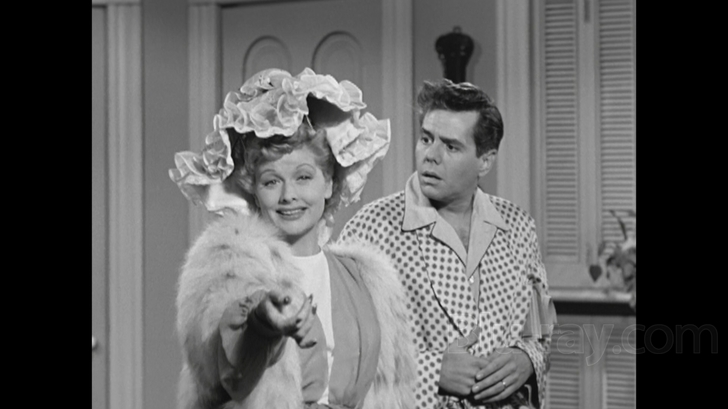
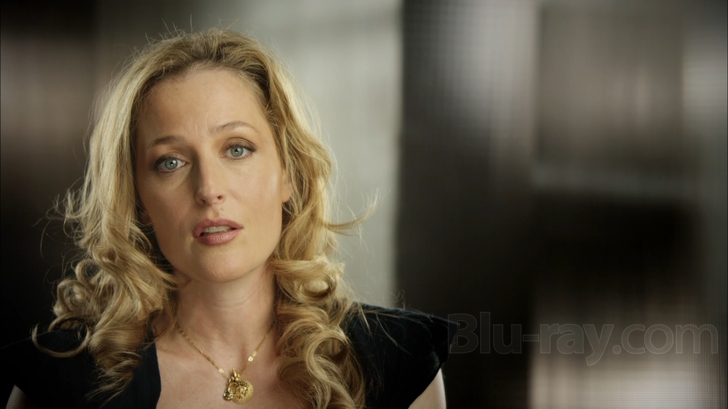
The AVC encoded image (1.78:1 aspect ratio) presentation on "America in Primetime" pulls from multiple film and video sources, building a patchwork quilt viewing experience, displaying T.V. shows from markedly different eras. The programs look relatively good for their age and treatment, with a noticeable effort made to keep as close to a uniform look as possible. The interview segments represent the core of the series, and the stars gathered look excellent, with a crisp HD feel that brings out every emotion shared and wrinkle earned. Facial textures are wonderful. Skintones look natural, inadvertently revealing the questionable health of a few participants. Colors are subdued yet purposeful, keeping to a studious selection of golds and browns. Television footage provides more of a direct hit of vibrancy. Archival visits and headline recreations reveal some minor banding issues.
America in Primetime Blu-ray Movie, Audio Quality
The 2.0 Dolby Digital sound mix is generally kept in place by the interview audio, which carries a direct frontal presence to sustain the thoughts and memories put forth. The participants sound crystal clear, with verbal articulations easily understood. Scoring is never intrusive, carrying the program satisfactorily, hitting a few prominent moments of defined sonic movement. Low-end is nonexistent. The various television snippets remain in proper shape, with older clips revealing their age, while the current line-up of HD-produced programming carries freshness in verbal communication and scoring.
America in Primetime Blu-ray Movie, Special Features and Extras

- Additional Interviews (35:55, HD) return to 20 of the interviewees, collecting further anecdotes and recollections that didn't make the final cut. The best snippet belongs to Rob Reiner, who recalls the pleasures of grabbing Mary Tyler Moore's rear on the "Dick Van Dyke Show" set when he was 14 years old.
America in Primetime Blu-ray Movie, Overall Score and Recommendation
"America in Primetime" can be repetitive and the seriousness of the discussions can be mildly overbearing. Nevertheless, the series is a potent reminder on the power of television and intimate storytelling, smoothly submitting and dissecting examples of provocative programming that reflect the growing pains of a nation.