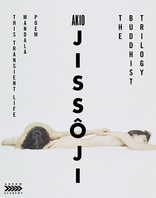
Akio Jissoji: The Buddhist Trilogy Blu-ray Movie
HomeAkio Jissoji: The Buddhist Trilogy Blu-ray Movie 
This Transient Life / Mandala / PoemArrow | 1970-1972 | 4 Movies, 5 Cuts | 394 min | Not rated | Aug 20, 2019
Price
List price:Listed on Amazon marketplace

Movie rating
Movie has not been rated yetBlu-ray rating
| Users |  | 0.0 |
| Reviewer |  | 4.0 |
| Overall | | 4.0 |
Overview
Akio Jissoji: The Buddhist Trilogy (1970-1972)
See individual titles for their synopses.
| Foreign | 100% |
| Drama | 54% |
| Erotic | 7% |
Specifications
Video
Video codec: MPEG-4 AVC
Video resolution: 1080p
Aspect ratio: 1.85:1, 2.35:1
Original aspect ratio: 1.85:1
Audio
Japanese: LPCM Mono
Subtitles
English
Discs
Blu-ray Disc
Four-disc set (4 BDs)
Playback
Region A, B (locked)
Review
Rating summary
| Movie | | 4.0 |
| Video | | 4.0 |
| Audio |  | 3.5 |
| Extras |  | 3.0 |
| Overall | | 4.0 |
Akio Jissoji: The Buddhist Trilogy Blu-ray Movie Review
Reviewed by Jeffrey Kauffman August 18, 2019This provocative triptych by Akio Jissôji may have attained the sobriquet The Buddhist Trilogy, but that may in turn beg the question of whether Jissôji might be subliminally proferring Heraclitus and/or the Marquis de Sade as proponents of the religion. Hercalitus famously (supposedly) proclaimed that it’s impossible to step in the same river twice, giving philosophers a nice visual trope for the evanescence of life, something Japanese New Wave expert David Desser, who is on hand here as a commentator, mentions is a key element of Jissôji’s work. But as Desser also gets into in one of his introductions to the films which are included as bonus features, there’s also a fairly kinky sex aspect to these films that some may feel arguably places them pretty squarely in what Desser refers to as the “Roman porno” genre. That may not mesh especially well with the vaunted Buddhist concept of non-attachment, since several pairs of lovers in these films are very attached to each other (so to speak), in sometimes shocking ways. The Buddhist Trilogy was released courtesy of the Art Theater Guild, a production house noted for its contributions to the Japanese New Wave, and as Desser also gets into, some of Jissôji's stylistic flourishes at least if not always all of his content "qualify" him for membership in that movement. One of the kind of funny things about Jissôji, though, is that for many Western fans, and for fans of another kind of Japanese entertainment, he'll be forever celebrated as the creator of Ultraman, which in and of itself probably speaks as well as anything to Jissôji's versatility.
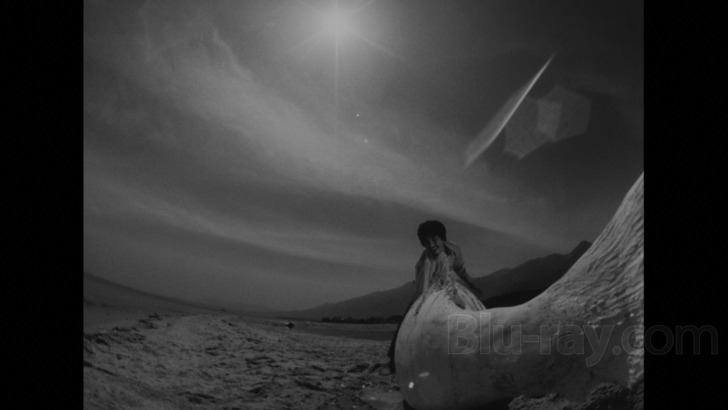
For reviews of the films in this set, please click on the following links:
This Transient Life Blu-ray review
Mandala Blu-ray review
Poem Blu-ray review
Akio Jissoji: The Buddhist Trilogy Blu-ray Movie, Video Quality
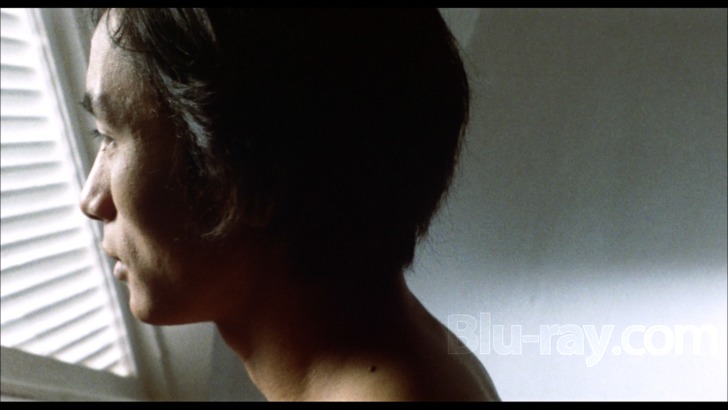
Video quality of each film is assessed in the above linked reviews.
Akio Jissoji: The Buddhist Trilogy Blu-ray Movie, Audio Quality
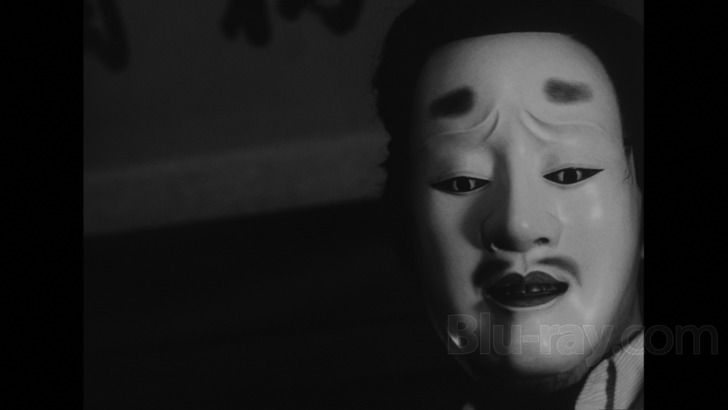
Audio quality of each film is assessed in the above linked reviews.
Akio Jissoji: The Buddhist Trilogy Blu-ray Movie, Special Features and Extras
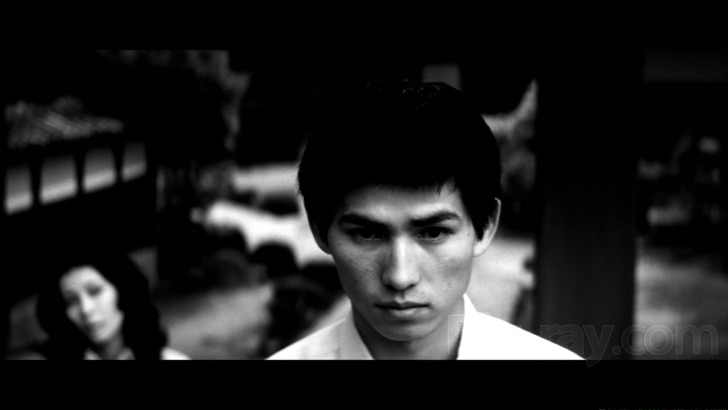
Each of the films comes with audio introductions and selected scene commentaries by David Dresser. Additionally the set is housed in a slipbox that also contains a nicely appointed insert booklet.
Akio Jissoji: The Buddhist Trilogy Blu-ray Movie, Overall Score and Recommendation
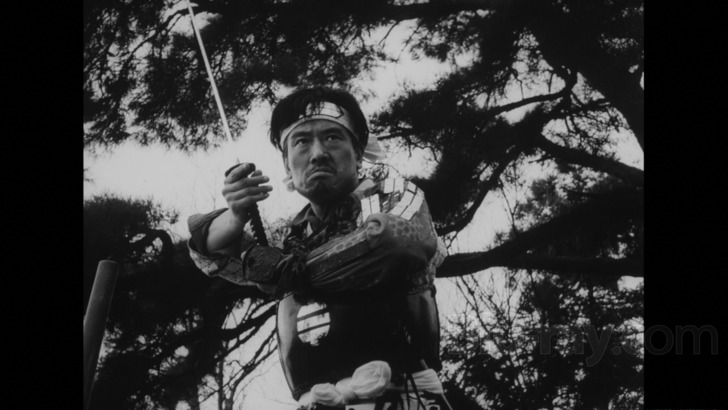
These are all definitely niche items, and they're going to be downright shocking to some viewers, especially those with less tolerance for some of what might be called the "pink film" tendencies that Jissôji exploits. For fans of the director or of the Japanese New Wave, though, The Buddhist Trilogy comes Recommended.