The Criminal Acts of Tod Slaughter: Eight Blood-and-Thunder Entertainments, 1935-1940 Blu-ray Movie
HomeThe Criminal Acts of Tod Slaughter: Eight Blood-and-Thunder Entertainments, 1935-1940 Blu-ray Movie 
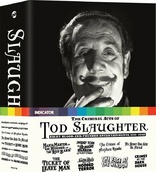
Maria Marten, or The Murder in the Red Barn / Sweeney Todd: The Demon Barber of Fleet Street / The Crimes of Stephen Hawke / It’s Never Too Late to Mend / The Ticket of Leave Man / Crimes at the Dark House / Sexton Blake and The Hooded Terror / The Face at the Window (Indicator Series | Limited EditionPowerhouse Films | 1935-1940 | 8 Movies | 545 min | Not rated | Nov 21, 2023
Price
List price:Amazon: $52.99 (Save 16%)
Third party: $52.99 (Save 16%)
Only 19 left in stock (more on the way).

Movie rating
Movie has not been rated yetBlu-ray rating
| Users |  | 0.0 |
| Reviewer |  | 4.5 |
| Overall | | 4.5 |
Overview
The Criminal Acts of Tod Slaughter: Eight Blood-and-Thunder Entertainments, 1935-1940 (1935-1940)
| Horror | 100% |
| Drama | 26% |
| Crime | Insignificant |
| Thriller | Insignificant |
Specifications
Video
Video codec: MPEG-4 AVC
Video resolution: 1080p
Aspect ratio: 1.37:1
Original aspect ratio: 1.37:1
Audio
English: LPCM Mono (48kHz, 16-bit)
Subtitles
English SDH
Discs
Blu-ray Disc
Four-disc set (4 BDs)
Playback
Region A (B, C untested)
Review
Rating summary
| Movie |  | 4.0 |
| Video |  | 3.5 |
| Audio | | 3.5 |
| Extras |  | 5.0 |
| Overall | | 4.5 |
The Criminal Acts of Tod Slaughter: Eight Blood-and-Thunder Entertainments, 1935-1940 Blu-ray Movie Review
Reviewed by Justin Dekker May 18, 2024Depending on context, referring to someone as a "ham" can have very different connotations. A young child's hammy antics mugging for the
camera at a birthday or holiday party would typically be met with a good-natured chuckle and be considered cute or adorable. In a high school or
community theater production, inexperienced actors may devolve into hamminess in an effort to deliver villainous or comedic performances to the
delight of local friends and family. However, once the person achieves the age of the majority and is acting at a professional level whether on stage
or screen, being referred to as a ham is no compliment. Refined audiences do not typically appreciate broad performances, where over-acting,
knowing rolls of the eye, and overly theatrical and stylized line delivery played to the back row are derided and shunned. There are, of course,
exceptions for beloved productions and actors for which and for whom such failings serve to endear and elevate them to classic status. I would
posit,
however, that few, if any of the stars of the modern era have a patch on Tod Slaughter.
Born Norman Carter Slaughter in 1885, he made his way to the stage at age 20, to the dismay and disappointment of his family. His acting career
was interrupted by World War I, but when he was able, he returned to the theater, eventually adopting the stage name "Tod Slaughter" in 1925. An
actor/manager, Slaughter not only starred in theatrical productions in London, but he also took his productions on the road around the country. He
played heroic or comedy roles for much of his early career, with productions like Maria Marten part of his repertoire (though he played a
different role there than he did in the film), and were staged to the delight of the crowds. It was his transition to roles as the antagonist in the
early 1930s which seems to have had the greatest impact on his career.
To paraphrase what he states during the radio show introduction to the included The Crimes of Stephen Hawke, by the time the film was
shot in 1936, he'd committed thousands of murders and been hanged thousands of times. It was the dastardly villainous Tod Slaughter that
audiences wanted to see, and it is the "evil" Tod Slaughter that is showcased here in Powerhouse's delightful The Criminal Acts of Tod Slaughter:
Eight Blood-and-Thunder Entertainments, 1935-1940. And with good reason. Few on-screen actors have delivered such enduring and
memorable evil roles and yet can still garner audiences' sympathies and enthusiasm. Some may find the manner in which he grandly gesticulates,
his exaggerated expressions are over the top, and his impressively rolled r's as being more suited to amateur theater than film, and these
attributes of his performance certainly do seem to be part and parcel to his theatrical roots. But it is precisely these hammy actions, these moments
of extreme melodrama, that elevate Slaughter's performances and make them more than just simple overacting. Few villains have ever taken such
delight in their
own evil plans. Fewer still maintain viewers' goodwill when their actions include the murder of children and young, beautiful women. Despite his
every crime, we hang his every word and action, waiting to see what he does next, hoping he doesn't get caught, but knowing full well that he will.
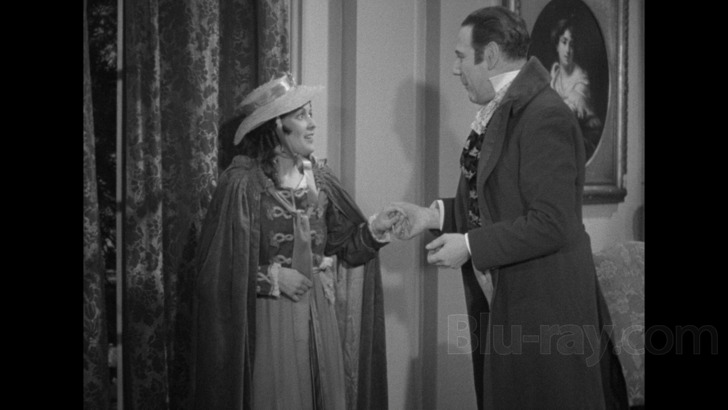
Despite their varied plots and sources of inspiration, the films included here, with the notable exception of Sexton Blake and the Hooded Terror all mostly follow a pattern that's easy to spot, but impossible to resist. Slaughter will be the villain, hamming it up to the best of his ability, though viewers can track his evolution and the increasing level of subtlety and refinement (for him at least) in his performances when progressing through the set in chronological order beginning with Maria Marten, or The Murder in the Red Barn and concluding with Crimes at the Dark House. Slaughter's character will always embrace his lustful urges, pursuing young and beautiful women well beyond his league, stealing kisses, and trapping them into relationships with him through duplicitousness or leveraging the good-will of their fathers to arrange a marriage as was possible during the times the films were set. His character will also always be looking for some financial gain, sometimes simply because he's a thief, other times because he stands on the brink of financial ruin. Lastly, Slaughter will always receive his comeuppance, and often inadvertently due to his own actions, allowing him to receive the justice he so richly deserves while keeping the heroes' hands clean. In Sexton Blake and the Hooded Terror, since his character of The Snake is a supporting player, it's impossible for him to have enough screen time to check each of these boxes.
For a discussion of the films included in this set, please follow the links below:
The Criminal Acts of Tod Slaughter: Eight Blood-and-Thunder Entertainments, 1935-1940 Blu-ray Movie, Video Quality
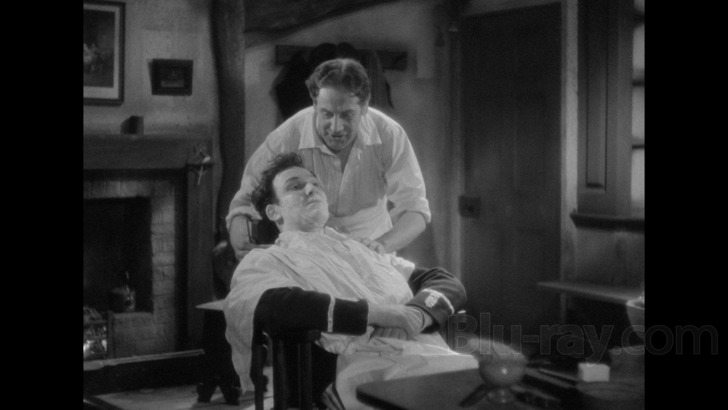
For a discussion of the video presentation of the films included in this set, please follow the links below:
The Criminal Acts of Tod Slaughter: Eight Blood-and-Thunder Entertainments, 1935-1940 Blu-ray Movie, Audio Quality
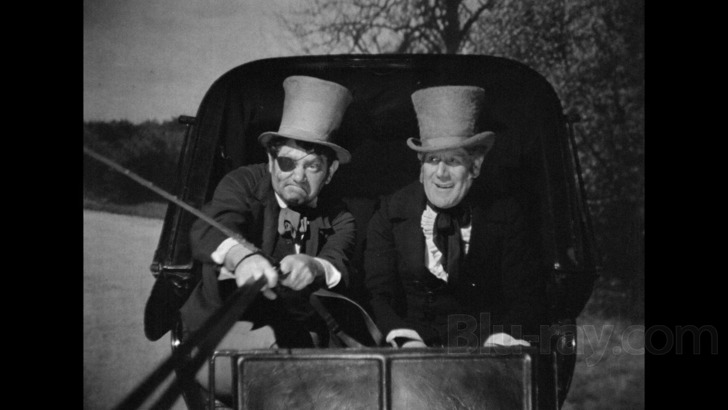
For a look at of the audio presentation of the films included in this set, please follow the links below:
The Criminal Acts of Tod Slaughter: Eight Blood-and-Thunder Entertainments, 1935-1940 Blu-ray Movie, Special Features and Extras
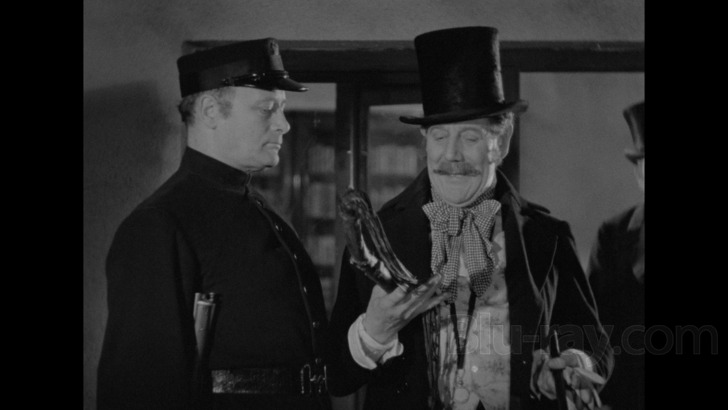
The only off-disc supplemental material for Powerhouse's The Criminal Acts of Tod Slaughter: Eight Blood-and-Thunder Entertainments, 1935-
1940 is a hefty perfect-bound book entitled The Criminal Acts of Tod Slaughter. This 116-page book provides a wealth of information
about the stage and screen legend. It includes a discussion of Slaughter's career and the films found in this set, words from Slaughter's biographers,
excerpts from critical reviews, as well as Slaughter's own words, in addition to other writings. Pages are loaded with posters, personal photographs,
publicity stills, vintage advertisements, drawings, and more. It all works to create an understanding and appreciation of the man and his craft. The
discs and the book are housed in an attractive and sturdy chipboard slipcase surrounded by Powerhouse's traditional belly band.
For a discussion of the on-disc supplemental material for each film included in this set, please follow the links below:
The Criminal Acts of Tod Slaughter: Eight Blood-and-Thunder Entertainments, 1935-1940 Blu-ray Movie, Overall Score and Recommendation
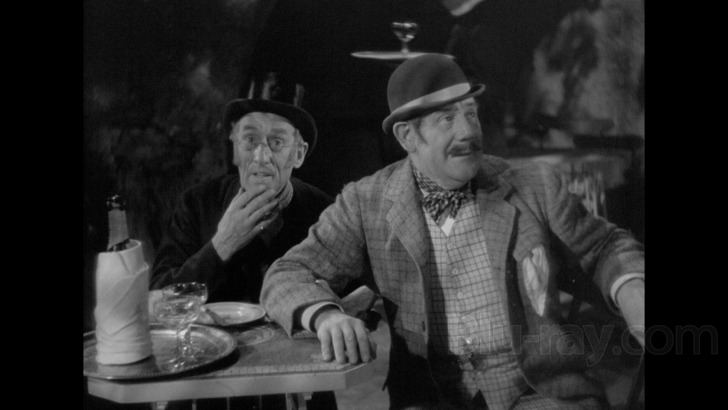
Powerhouse's four-disc release of The Criminal Acts of Tod Slaughter: Eight Blood-and-Thunder Entertainments, 1935-1940 is more than up to their usual standards, providing quality transfers and an incredible amount of supplemental material. While Maria Marten, or The Murder in the Red Barn, Sweeney Todd: The Demon Barber of Fleet Street, and Crimes at the Dark House are the obvious stand-outs, each film here is worth watching if only for Slaughter's exuberant and joyously evil performance, which is, for the most part, suitable for all ages. For longtime fans and newcomers alike, The Criminal Acts of Tod Slaughter: Eight Blood-and-Thunder Entertainments, 1935-1940 comes Highly Recommended.