Once Upon a Time in China: The Complete Films Blu-ray Movie
HomeOnce Upon a Time in China: The Complete Films Blu-ray Movie 
Criterion | 1991-1997 | 6 Movies | 664 min | Not rated | Nov 16, 2021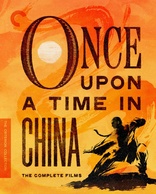

Movie rating
Movie has not been rated yetBlu-ray rating
| Users |  | 0.0 |
| Reviewer |  | 4.0 |
| Overall | | 4.0 |
Overview
Once Upon a Time in China: The Complete Films (1991-1997)
See individual titles for their synopses.
| Foreign | 100% |
| Martial arts | 40% |
| Drama | 31% |
| Action | 22% |
| History | 8% |
| Western | 3% |
| Romance | 2% |
| Period | 2% |
| Biography | 2% |
| Adventure | Insignificant |
Specifications
Video
Video codec: MPEG-4 AVC
Video resolution: 1080p
Aspect ratio: 2.38:1
Original aspect ratio: 2.39:1
Audio
See individual releases
Subtitles
English
Discs
Blu-ray Disc
Six-disc set (6 BDs)
Playback
Region A (locked)
Review
Rating summary
| Movie | | 4.0 |
| Video | | 4.0 |
| Audio | | 4.0 |
| Extras |  | 5.0 |
| Overall | | 4.0 |
Once Upon a Time in China: The Complete Films Blu-ray Movie Review
Reviewed by Jeffrey Kauffman November 27, 2021The Once Upon a Time in China franchise is regularly cited as having kickstarted the weirdly dormant martial arts film genre in the Asian market, but it’s also arguable that the series helped to foster another element of “eastern” cinema that is not necessarily relegated only to China (Korean films also come to mind in this regard): a kind of “rah rah” jingoism that seeks to exploit national identity while also perhaps hinting, none too subliminally at times, that the “natives” (Chinese or otherwise) may be just a bit smarter than some of the interlopers. Once Upon a Time in China appeared in 1991, helping to catapult Jet Li to superstar status, and continuing an even by then decades long tradition of crafting entertainments around the adventures (typically “fictionalized” if not outright fiction) of real life Chinese martial arts master and folk medicine healer Wong Fei-hung. Wong lived from around 1847 to 1925, but it didn’t take long for a rather gargantuan mythos to be built up around the character, so much so that by the late forties, Wong was an immensely popular character in Hong Kong films. Kwan Tak-hing made a veritable career out of playing Wong, appearing in some 70 films about the character, and there are several rather well remembered films about Wong that came out as Kwan was winding down from playing Wong (incredibly, the actor continued the role from the 1940s to the 1980s, earning a place in the Guinness Book of World Records in the process). These include the Shaw Brothers’ Challenge of the Masters, Drunken Master with Jackie Chan, and the relatively recent Rise of the Legend. The Once Upon a Time in China films offer some typical martial arts frenzies, but the films are also quite notable for how they portray a nascent nation defending itself from outside influences, and creating its own identity in the process.
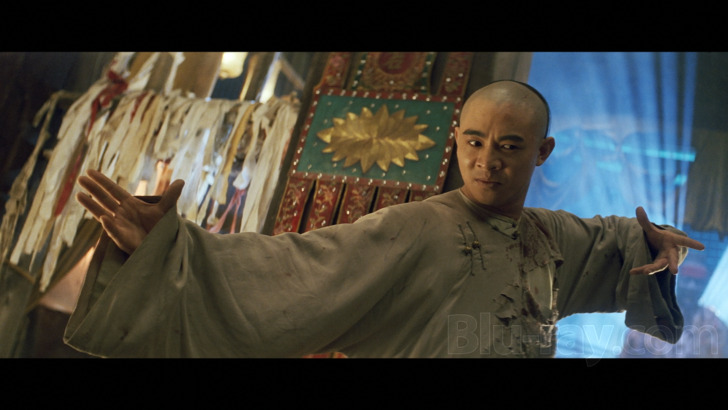
For reviews of the films included in this set, please click on the following links:
Once Upon a Time in China Blu-ray review
Once Upon a Time in China II Blu-ray review
Once Upon a Time in China III Blu-ray review
Once Upon a Time in China IV Blu-ray review
Once Upon a Time in China V Blu-ray review
Once Upon a Time in China and America Blu-ray review
Once Upon a Time in China: The Complete Films Blu-ray Movie, Video Quality
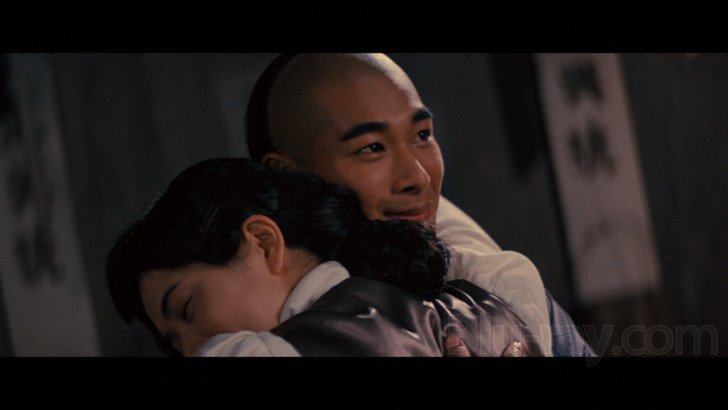
Video quality of each film is assessed in the above linked reviews.
Once Upon a Time in China: The Complete Films Blu-ray Movie, Audio Quality
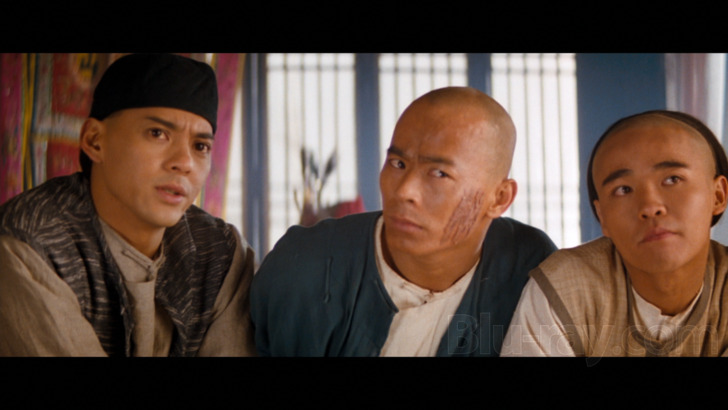
Video quality of each film is assessed in the above linked reviews.
Once Upon a Time in China: The Complete Films Blu-ray Movie, Special Features and Extras
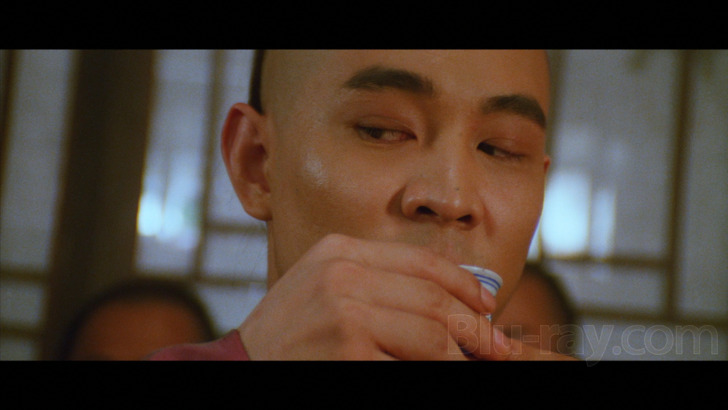
Supplements included on each disc are detailed in the above linked reviews. As of the writing of this review, Criterion has only sent check discs, and so I can't opine authoritatively on non disc swag, though this looks to be another handsomely packaged effort from Criterion, with a slipcase and booklet.
Once Upon a Time in China: The Complete Films Blu-ray Movie, Overall Score and Recommendation
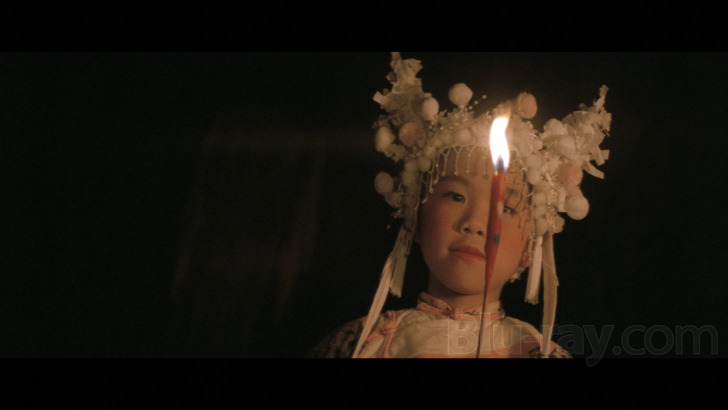
This is one of the rare releases of a film franchise where I'd recommend to those with deeper pockets that they might benefit from getting both the Eureka! and Criterion versions. There are some slight technical variations on display, but nothing I'd term overly dramatic and/or problematic, but each of the releases has some really interesting supplements exclusive to that set. This release may have some added allure due to the fact that it contains two more films, though one of those at least is of arguably less interest. One way or the other, though, this Criterion version comes Highly recommended.