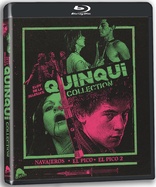
Eloy de la Iglesia's Quinqui Collection Blu-ray Movie
HomeEloy de la Iglesia's Quinqui Collection Blu-ray Movie 
Severin Films | 1980-1984 | 3 Movies | 327 min | Not rated | Aug 24, 2021

Movie rating
Movie has not been rated yetBlu-ray rating
| Users |  | 0.0 |
| Reviewer |  | 4.0 |
| Overall | | 4.0 |
Overview
Eloy de la Iglesia's Quinqui Collection (1980-1984)
| Foreign | 100% |
| Drama | 42% |
| Crime | Insignificant |
| Biography | Insignificant |
Specifications
Video
Video codec: MPEG-4 AVC
Video resolution: 1080p
Aspect ratio: 1.66:1
Original aspect ratio: 1.66:1
Audio
See individual releases
Subtitles
English
Discs
Blu-ray Disc
Two-disc set (2 BDs)
Playback
Region A, B (C untested)
Review
Rating summary
| Movie | | 4.0 |
| Video |  | 4.5 |
| Audio | | 4.0 |
| Extras |  | 0.5 |
| Overall | | 4.0 |
Eloy de la Iglesia's Quinqui Collection Blu-ray Movie Review
Reviewed by Jeffrey Kauffman September 12, 2021It can be kind of interesting to trace when various genres or subgenres in film started to appear in various countries. In the United States, for
example, there was a veritable glut of so-called "juvenile delinquent" films that began showing up in the fifties in particular, though there are
probably
isolated incidents of quasi-JDs appearing considerably earlier (arguably like those seen in 1937's Dead End,
who continued on as The East Side Kids, among other appellations) . But the post-World War II era really seemed to
give
rise to this kind of film, with everything from Blackboard Jungle to
Rebel Without a Cause ensuing (both of those interestingly from the
same year of 1955). The genre may have tended more toward exploitation fare as it continued, with more overtly hyperbolic productions like
Reform School Girl, The Green-Eyed Blonde and The Party
Crashers (the last two directed by genre stalwart Bernard Girard, and the last film offering the final big screen performances from both
Frances
Farmer and Bobby Driscoll). By the time juvenile delinquents were seen singing and dancing in West Side Story, the genre may have obviously morphed pretty significantly, but in its own way, it continued
apace with any number of films throughout the sixties and beyond, including a glut of "biker gang" outings.
Perhaps due to the influence of Franco, who may not have wanted the world to think that "his" country had any problems with errant youth, Spain
didn't really start offering juvenile delinquent films until the 1970s, though, again, there are isolated examples that can be cited, like Luis
Bunuel's The Young and the Damned, which kind of
interestingly given the above data was released in 1950. The word quinqui was utilized to define this emerging late 70s - early 80s
genre (or subgenre, if you prefer) featuring Spanish JDs, and while that word may seem like it should be inherently linked etymologically
to "delinquent", the
actual facts may be a bit
different, as is discussed in one of the supplements included on this set of discs. Whatever the genesis of the term actually is, Eloy de la Iglesia is
considered one of the prime creators of quinqui films, and this collection from Severin offers a trio of often graphically disturbing works
that have a bit of a Neorealist flavor to them, albeit in the mean streets of Madrid and Bilbao rather than Rome and environs.
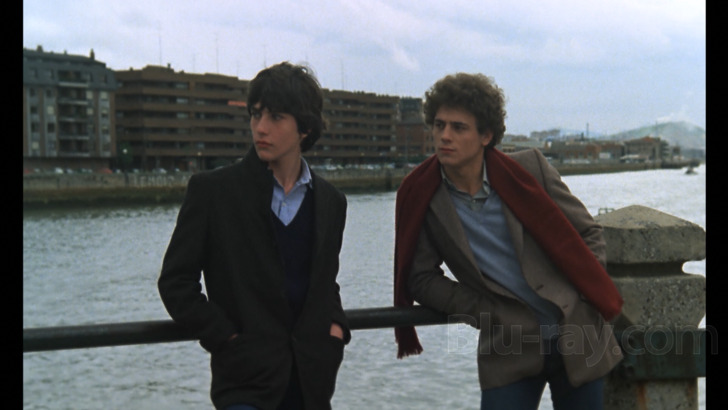
For reviews of the three films included on this release, please click on the following links:
Navajeros Blu-ray review
El Pico Blu-ray review
El Pico 2 Blu-ray review
Eloy de la Iglesia's Quinqui Collection Blu-ray Movie, Video Quality
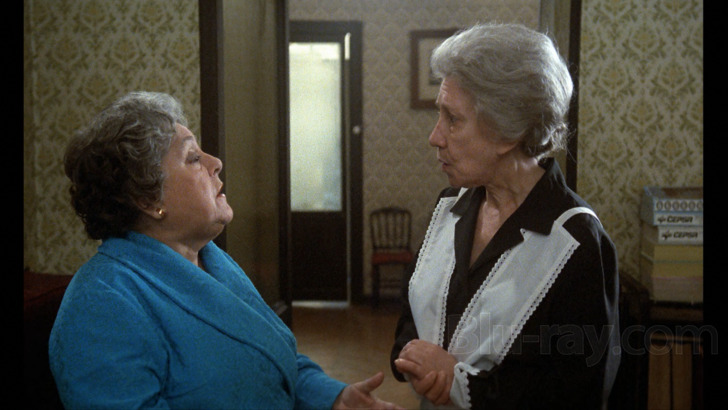
Video quality of each film is assessed in the above linked reviews.
Eloy de la Iglesia's Quinqui Collection Blu-ray Movie, Audio Quality
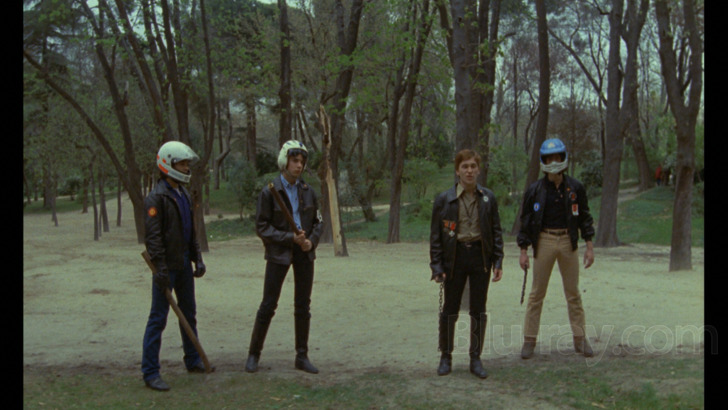
Audio quality of each film is assessed in the above linked reviews.
Eloy de la Iglesia's Quinqui Collection Blu-ray Movie, Special Features and Extras
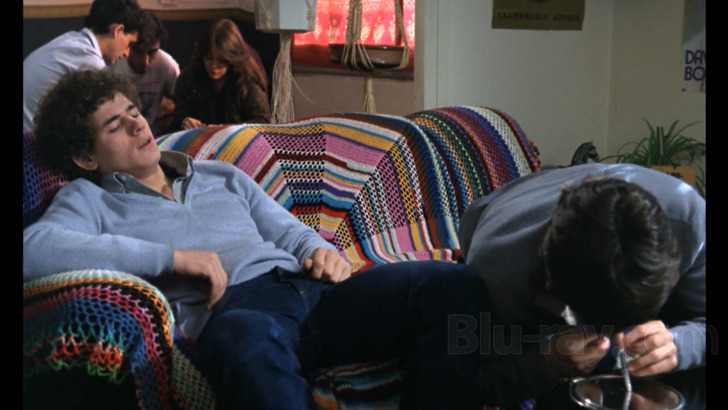
This release is packaged with Navajeros one one disc, and El Pico and El Pico 2 together on a second disc. The El Pico disc has only trailers for the two films (details in the appropriate reviews), but the Navajeros disc has some really well done generalists supplements that are detailed in that review.
Eloy de la Iglesia's Quinqui Collection Blu-ray Movie, Overall Score and Recommendation
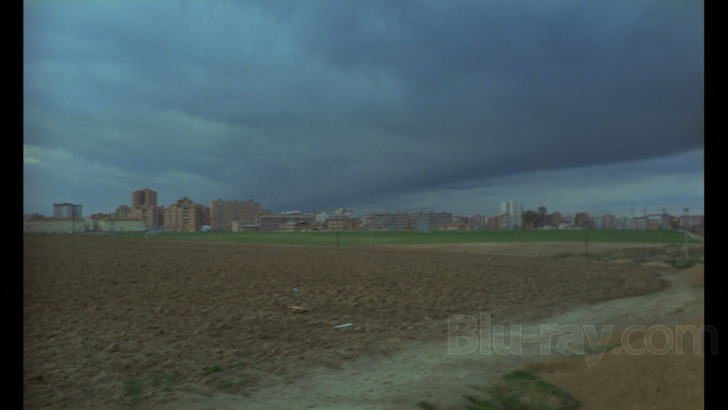
Severin Films has been offering a number of Eloy de la Iglesia films lately, and they've all been very interesting in their own ways. This new set is no exception, and while often quite disturbing and rather graphic in their depictions of drug use, the three films in this set are viscerally compelling and, ultimately, kind of unforgettable. Technical merits are solid, and the supplements on the Navajeros disc outstanding. Recommended.