A Body to Live In Blu-ray Movie
HomeA Body to Live In Blu-ray Movie 
Altered Innocence | 2025 | 98 min | Not rated | May 26, 2026 (New Release)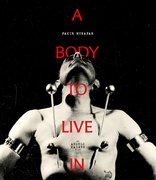

Movie rating
Movie has not been rated yetBlu-ray rating
| Users |  | 0.0 |
| Reviewer |  | 4.0 |
| Overall | | 4.0 |
Overview
A Body to Live In (2025)
Fakir Musafar explored gender fluidity and enlightenment through extreme body modification. He pioneered 'Modern Primitives', blending global spiritual practices with sexuality. A legendary figure in kink culture.
Director: Angelo Madsen| Documentary | 100% |
Specifications
Video
Video codec: MPEG-4 AVC
Video resolution: 1080p
Aspect ratio: 1.90:1
Original aspect ratio: 1.90:1
Audio
English: DTS-HD Master Audio 2.0
Subtitles
English SDH, French, Spanish
Discs
Blu-ray Disc
Single disc (1 BD)
Playback
Region A (B, C untested)
Review
Rating summary
| Movie |  | 3.5 |
| Video |  | 4.5 |
| Audio | | 4.5 |
| Extras | | 3.5 |
| Overall | | 4.0 |
A Body to Live In Blu-ray Movie Review
Reviewed by Brian Orndorf May 21, 2026When he was a teenager in South Dakota, Roland Loomis discovered something about himself. He turned to photography to help understand a fascination with bondage, and as he matured, the focus turned to body modification, taking him into physical and spiritual realms unlike anything he experienced before. “A Body to Live In” is a documentary about Loomis’s transformation into Fakir Musafar, and his position as one of the founders of the “modern primitive” movement, building a subculture to follow and sometimes lead as he went on a personal voyage to better understand his consciousness, often through dimensions of pain. Director Angelo Madsen attempts to treat the subject with complete respect, offering viewers a journey into body play and the creation of community, with Loomis/Musafar developing confidence and control over decades of experience.
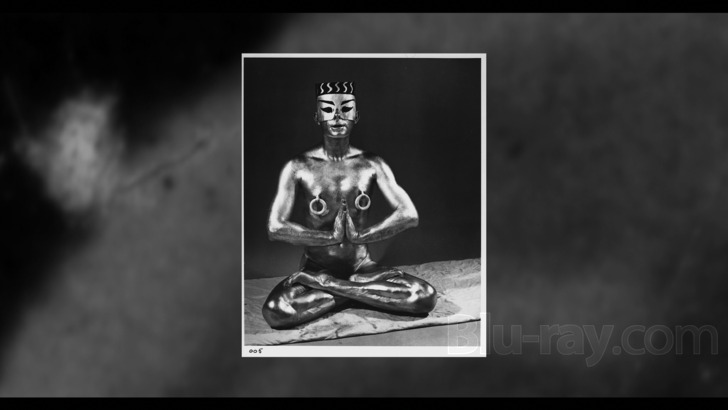
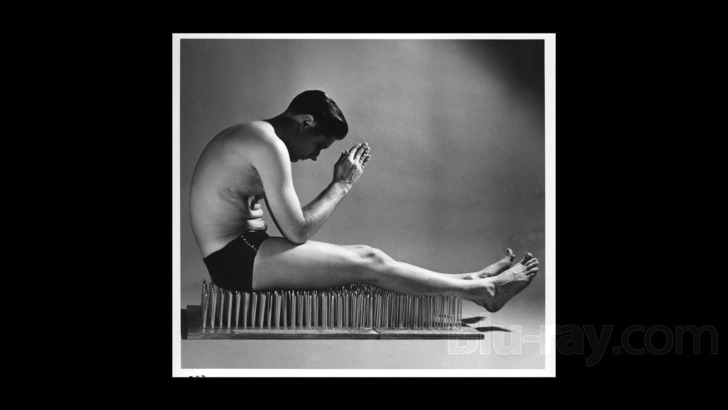
Loomis’s life story is recalled in “A Body to Live In,” with interview audio helping to detail his experience in the Midwest, often retreating to his dark room to make sense of his feelings and deal with his Lutheran upbringing. Photos are provided to help understand the young man’s progression into body modification, and Loomis’s life takes a few unusual detours, including time in the Korean War. Finding his way to San Francisco, Loomis found freedom to explore his interests, and Madsen begins to gather interviews with others involved with the movement, including Carla, who eventually married Loomis after joining him on a quest for enlightenment (acolyte and adult film star Annie Sprinkle also appears). “A Body to Live In” capably captures the rise of the modern primitives throughout the 1970s and ‘80s, beginning with small ideas, such as a piercing store and magazine, which managed to attract attention as popularity grew and experimentation expanded. There’s a lot of footage from these “ceremonies” in the documentary, examining the power of pain and presentation, with many searching for a “spiritual exploration” that only comes from the stretching and piercing of skin.
A Body to Live In Blu-ray Movie, Video Quality
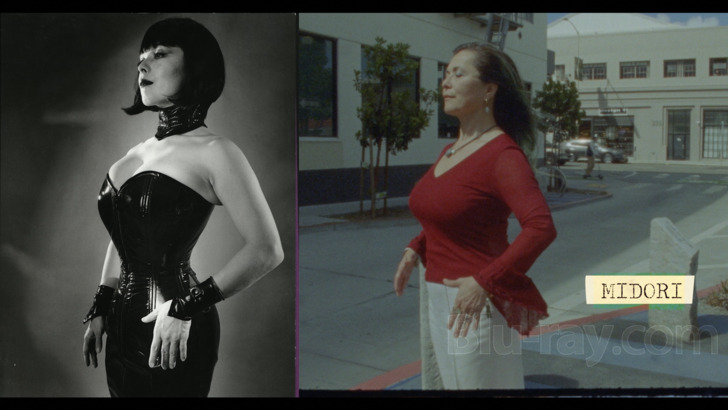
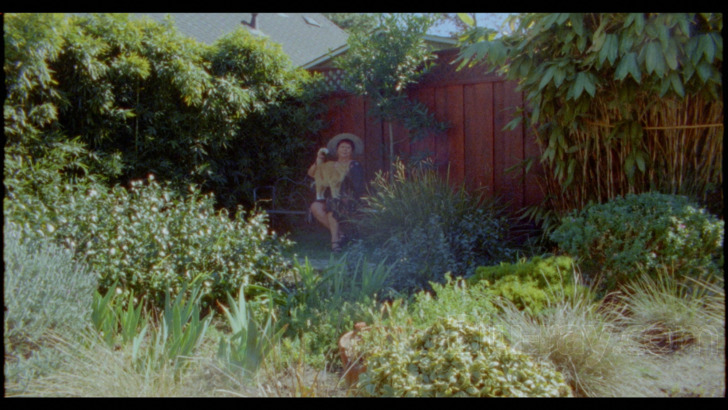
The image presentation (1.90:1 aspect ratio) for "A Body to Live In" utilizes a mix of interview footage and older footage of Roland Loomis from home movies and television appearances. The viewing experience is nicely balanced, with a softer, film-like look for newer imagery. Photographs are also included, and offer sharpness. Skin particulars, which is basically the entire documentary, are appreciable, provided a textured examination of piercings and assorted modification practices. Color is compelling, with natural skin tones throughout. Livelier hues are found with stage decoration and lighting, and greenery is distinct. Delineation is satisfactory.
A Body to Live In Blu-ray Movie, Audio Quality
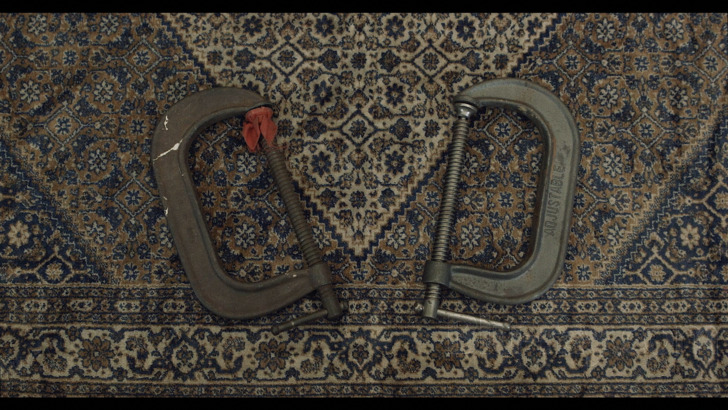
The 2.0 DTS-HD MA mix provides clear interview audio, maintaining intelligibility with conversations and confessions. Older audio is also defined. Scoring supports with sharp instrumentation and width.
A Body to Live In Blu-ray Movie, Special Features and Extras
- Extended/Deleted Interviews (HD) include Ganymede Cupbearer (15:28), Ron Athey (9:25), and Idexa Stern (12:39).
- "A Perfect Gentleman" (8:04, SD) is a 1983 short film, directed by Annie Sprinkle and featuring Fakir Musafar.
- Image Gallery (6:55) examines pictures from Fakir Musafar's personal collection.
- And a Theatrical Trailer (1:23, HD) is included.
A Body to Live In Blu-ray Movie, Overall Score and Recommendation
Obviously, "A Body to Live In" is for a highly specific audience. This is not a documentary suited for a casual watch, as it contains plenty of imagery highlighting body modification. Madsen isn't shy about showing off Loomis's world, and he struggles a bit with the run time, occasionally caught trying to stretch the subject matter when the story runs out after an hour. There's plenty of interesting ideas to examine here, watching interviewees discuss an unusual path to empowerment, and emotional purges are provided as well, watching people work through some heavy psychological burdens as they go through the process. Pieces of history are valuable too, with Loomis's movement running into the AIDS crisis of the 1980s. "A Body to Live In" also delves into cultural appropriation and performance art, but the material always returns to Loomis and his growth as Musafar, providing some insight into a man taking an unconventional journey to self-inspection and attention.