3 Silent Classics by Josef von Sternberg Blu-ray Movie
Home3 Silent Classics by Josef von Sternberg Blu-ray Movie 
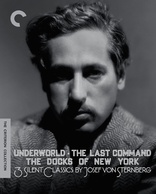
Underworld / The Last Command / Docks of New YorkCriterion | 1927-1928 | 3 Movies | 244 min | Not rated | Oct 08, 2019


Movie rating
Movie has not been rated yetBlu-ray rating
| Users |  | 4.5 |
| Reviewer |  | 4.0 |
| Overall | | 4.0 |
Overview
3 Silent Classics by Josef von Sternberg (1927-1928)
See individual titles for their synopses.
| Drama | 100% |
| Romance | 47% |
| Film-Noir | 28% |
| Crime | Insignificant |
| History | Insignificant |
Specifications
Video
Video codec: TBA
Video resolution: 1080p
Audio
Music: LPCM 2.0
Two audio tracks per film
Subtitles
None
Discs
Blu-ray Disc
Three-disc set (3 BDs)
Playback
Region A (locked)
Review
Rating summary
| Movie | | 4.0 |
| Video |  | 3.5 |
| Audio | | 4.0 |
| Extras |  | 2.5 |
| Overall | | 4.0 |
3 Silent Classics by Josef von Sternberg Blu-ray Movie Review
Reviewed by Jeffrey Kauffman February 26, 2020Whether fairly or unfairly, Josef von Sternberg is probably best remembered for his collaborations with Marlene Dietrich, and in fact Criterion itself has celebrated that partnership with their excellent release Dietrich & von Sternberg in Hollywood. That very partnership may have led some film fans to assume that von Sternberg, like Dietrich, was a German emigré, but as one of the supplements on the set currently under discussion gets into, von Sternberg was actually born Jonas Sternberg in Vienna, moving to the United States with his family when he was still a tot. The “Josef”, and, later, the “von”, were added at later dates, perhaps in an attempt by either (von) Sternberg himself or those wanting to help his career to make him seem more “exotic” somehow (there’s some indication that the “von” addition may have been inspired by Erich von Stroheim). This same supplement details von Sternberg’s early career in the film industry, which included everything from being a “go fer” to editing before von Sternberg finally kind of almost stumbled into a directing career with his self funded The Salvation Hunters, which this supplement goes on to describe as one of the first supposedly mainstream “Art Films”. Von Sternberg had a kind of rocky first few years as a supposed wunderkind, with a proposed film starring Mary Pickford and then another evidently completed film done for Charlie Chaplin never really seeing the light of day (the supplement makes a passing case that the Chaplin film may be lying around in someone’s vault somewhere and that a hunt for it should be undertaken). Those stumbling blocks may have played into the decision by Paramount's legendary B.P. Schulberg to offer von Sternberg a job not as a director (at least initially), but as more of a jack of all trades assigned to clean up various productions which the studio deemed were in trouble for one reason or another. Von Stroheim's success with regard to Children of Divorce in particular finally gave him the opportunity to start directing for Paramount, and the films in this set are among his early silents for the studio.
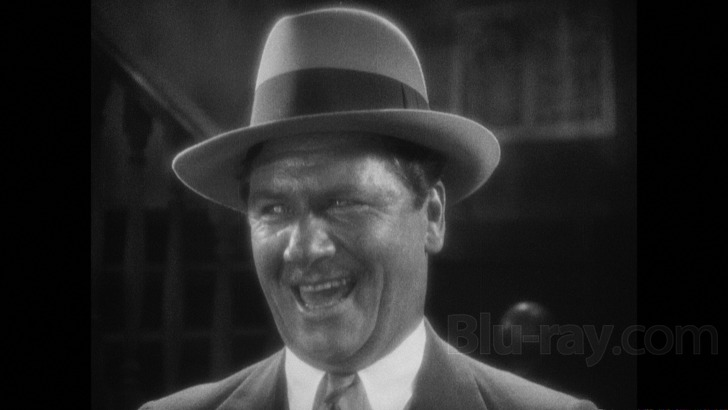
For reviews of the three films in this set, please click on the following links:
Underworld Blu-ray review
The Last Command Blu-ray review
The Docks of New York Blu-ray review
3 Silent Classics by Josef von Sternberg Blu-ray Movie, Video Quality
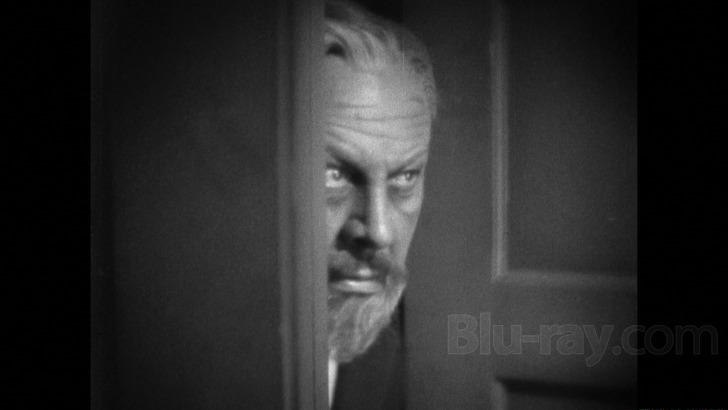
Video quality of each film is assessed in the above linked reviews.
3 Silent Classics by Josef von Sternberg Blu-ray Movie, Audio Quality
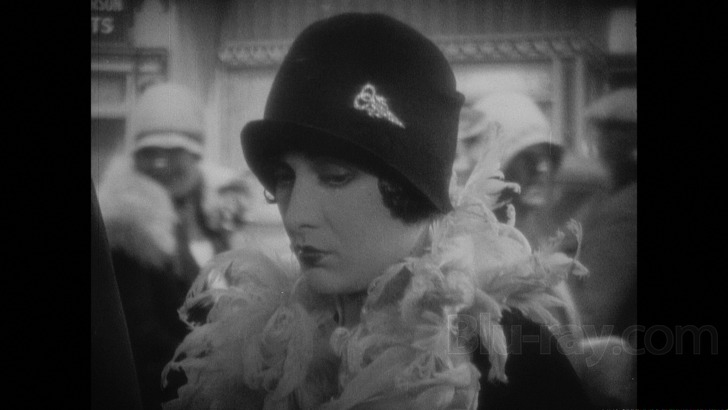
Audio quality of each film is assessed in the above linked reviews.
3 Silent Classics by Josef von Sternberg Blu-ray Movie, Special Features and Extras
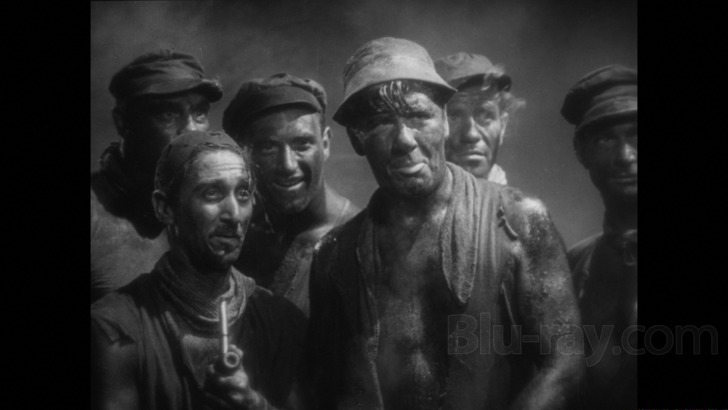
Supplementary material on each disc is detailed on the above linked reviews. Additionally, this release comes in a slipbox which houses three individual digipacks for each of the films. A rather beautifully detailed pamphlet sized insert booklet is also included, with essays on all three films, separate essays about the scores, Ben Hecht's original story that sparked Underworld, and an excerpt from von Sternberg's autobiography about Emil Jannings. Technical information is also included.
3 Silent Classics by Josef von Sternberg Blu-ray Movie, Overall Score and Recommendation
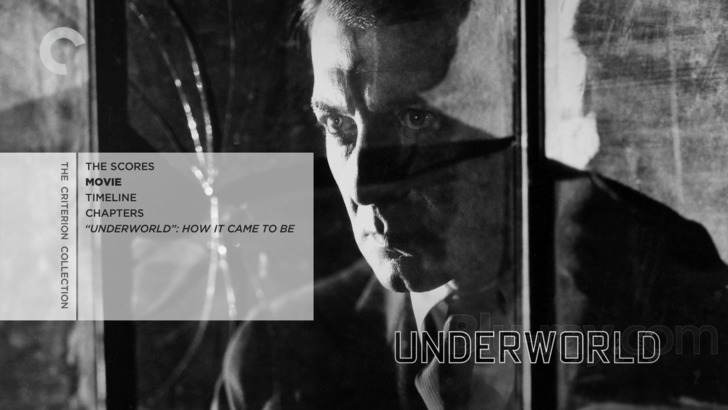
Along with the von Sternberg and Dietrich set from Criterion linked to above, this set of three early von Sternberg silents really provides a wonderful opportunity to revisit the work of one of the titans of his era. Video quality here can't overcome some source deficits, but each film has two very enjoyable scores, and the supplements, while not bountiful, are very enjoyable. Recommended.